10 Signs It’s Time to Replace Your Running Shoes
Worn-out running shoes are a leading cause of injury. Discover the 10 telltale signs your running shoes are past their prime — and when it's time to get a new pair.
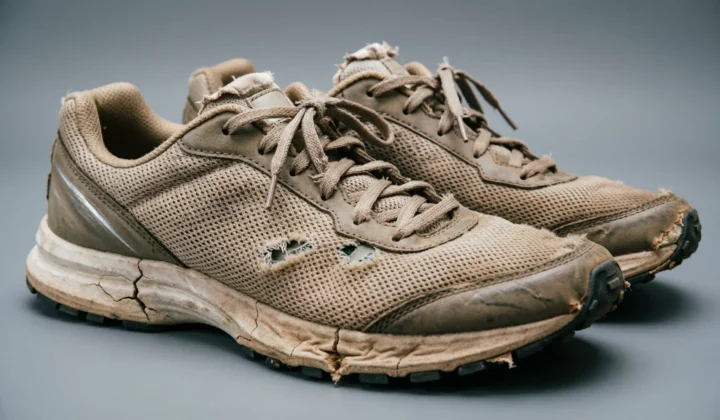
Knowing when to replace running shoes is important for maintaining comfort, performance, and reducing the risk of discomfort during training. Running shoes are designed to absorb repeated impact, but the cushioning, support, and materials slowly break down with every mile. Many runners continue using old shoes because the damage is not always obvious from the outside.
Understanding the worn out running shoes signs can help you recognize when your footwear is no longer providing the protection you need. Factors such as your running style, body weight, terrain, shoe construction, and weekly mileage all affect the running shoe lifespan.
Whether you train casually, prepare for races, or run several times per week, replacing your shoes at the right time can improve comfort and help maintain proper support. This guide explains how many miles running shoes last, the main warning signs of wear, and what to consider before buying your next pair.
When Should You Replace Running Shoes?
Most running shoes should be replaced after around 300–500 miles, although the exact lifespan depends on the shoe model, runner, and usage. Signs like worn outsole patterns, reduced cushioning, new aches, uneven wear, or a less comfortable ride usually indicate it is time for a new pair.
How Long Do Running Shoes Last?
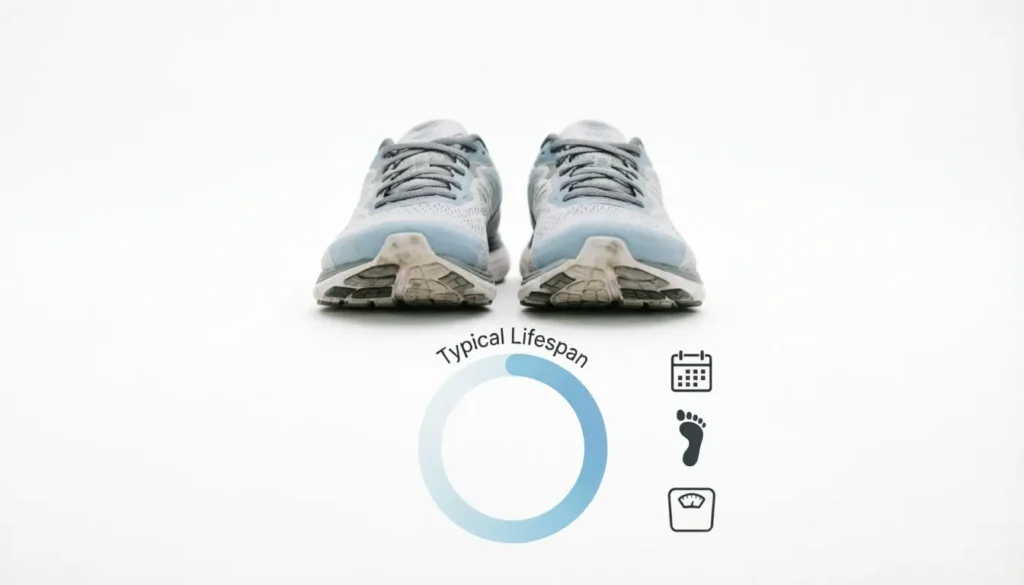
The average running shoe lifespan is usually between 300 and 500 miles. However, some lightweight racing shoes may wear out faster, while durable daily trainers can last longer depending on materials and running habits.
For example, a runner completing 20 miles per week may replace shoes every 4–6 months, while someone running occasionally may use the same pair for much longer.
Popular daily trainers such as Brooks Ghost, Nike Pegasus, Saucony Ride, and New Balance Fresh Foam models are designed for regular training and often provide reliable durability when properly maintained.
10 Signs It’s Time to Replace Your Running Shoes
1. Your Shoes Have Reached Their Mileage Limit
The easiest way to know when to replace running shoes is tracking mileage. Even if the shoes still look clean, the internal foam can lose its ability to absorb impact after hundreds of miles.
If you have reached the recommended mileage range, inspect the shoes carefully and pay attention to how they feel during runs.
2. Cushioning Feels Flat or Less Responsive
One of the most common worn out running shoes signs is a noticeable change in cushioning. Your shoes may feel harder, less comfortable, or less energetic compared with when they were new.
Midsole foam naturally compresses over time. When cushioning performance decreases, your legs may experience more stress during longer runs or harder workouts.
3. You Notice New Foot, Knee, or Leg Discomfort
Old running shoes can contribute to discomfort because they may no longer provide the same level of support and impact protection.
If you start experiencing unusual soreness after normal runs, your shoes could be one possible reason. A sudden change in comfort is a good signal to evaluate your footwear.
4. The Outsole Shows Excessive Wear
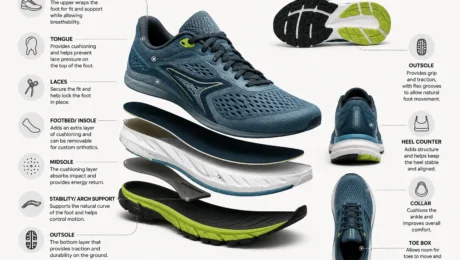
The outsole protects the bottom of the shoe and provides traction. When the rubber becomes heavily worn, you may notice reduced grip, especially on wet surfaces.
Uneven outsole wear can also change how your foot lands, affecting the overall feel of your stride.
5. The Midsole Has Visible Damage
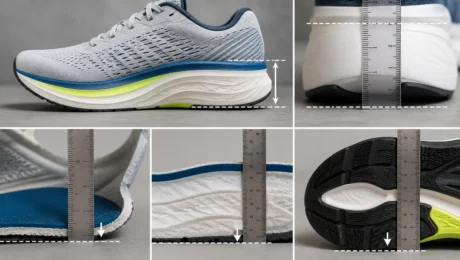
Cracks, deep compression marks, or permanent wrinkles in the foam are signs that the midsole is breaking down.
Some high stack running shoes may hide wear better because they contain more foam, but visible damage is still a warning that performance is declining.
6. Your Shoes Feel Less Stable
Running shoes should provide a consistent platform under your feet. When the cushioning becomes uneven, the shoe may feel unstable or tilted during movement.
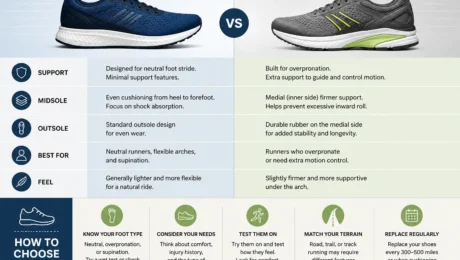
This is especially important for runners who use stability shoes designed for pronation control and support.
7. The Upper Material Is Damaged
The upper holds your foot securely in place. Torn mesh, stretched areas, broken eyelets, or loose materials can affect fit and comfort.
A damaged upper does not always mean the shoe is completely unusable, but combined with other signs it may indicate replacement time.
8. Your Running Performance Feels Different
Many runners notice that old shoes feel slower or require more effort. Reduced energy return from worn foam can make workouts feel harder than usual.
Performance-focused runners using models like Nike Vaporfly or Adidas Adizero racing shoes often replace footwear more frequently because responsiveness is a major part of their design.
9. Your Shoes No Longer Match Your Training
Your running needs can change over time. A shoe that worked for short runs may not be ideal for marathon preparation or increased mileage.
For example, runners increasing distance may benefit from more cushioned shoes designed for recovery runs and long training sessions.
10. Your Shoes Look Fine but Feel Wrong
Appearance is not always the best indicator of shoe condition. Running shoes can look new while the internal cushioning and support have already declined.
How your shoes feel during running is often a better measurement than how they look.
More Guide: Best Sneakers for Everyday Wear
Factors That Affect Running Shoe Lifespan
- Running frequency: More weekly miles create faster material breakdown.
- Body weight: Heavier loads can compress foam more quickly.
- Running surface: Roads and rough surfaces increase wear compared with softer trails.
- Shoe design: Foam type, outsole rubber, and construction affect durability.
- Weather conditions: Heat, moisture, and storage conditions can affect materials.
How to Make Running Shoes Last Longer
- Use running shoes mainly for running instead of daily casual wear.
- Allow shoes to dry naturally after wet runs.
- Rotate between two pairs if you run frequently.
- Avoid storing shoes in extreme heat.
- Track mileage from the first day you start using them.
What Should You Look For in New Running Shoes?
When replacing your shoes, consider your running goals and preferences. Daily runners may prefer balanced trainers with reliable cushioning, while marathon runners often choose lightweight and highly cushioned models.
Look at important factors such as fit, cushioning, stability, heel-to-toe drop, durability, and intended use. A comfortable shoe that matches your running style will usually perform better than simply choosing the most popular model.
Frequently Asked Questions
How many miles do running shoes last?
Most running shoes last between 300 and 500 miles depending on the shoe type, runner weight, running style, and surface. Lightweight racing shoes may wear out sooner, while durable daily trainers can sometimes exceed this range with proper care.
What are the main worn out running shoes signs?
Common worn out running shoes signs include flat cushioning, visible outsole wear, reduced stability, new aches, damaged uppers, and a different feeling during runs. If your shoes no longer feel supportive or comfortable, replacement may be needed.
Can old running shoes cause injuries?
Worn running shoes may increase discomfort because they provide less cushioning and support than when new. While shoes are not the only factor affecting injury risk, replacing heavily worn footwear can help maintain a more comfortable running experience.
How do I know when to replace running shoes if they still look good?
Focus on performance and comfort rather than appearance. Shoes can look clean while the foam inside has lost responsiveness. Pay attention to changes in cushioning, stability, and how your body feels during and after runs.
Should I replace running shoes by time or mileage?
Mileage is usually the better measurement because running causes the main wear. However, unused shoes can also age over time, especially if stored poorly. Tracking both usage distance and shoe condition gives the best replacement estimate.