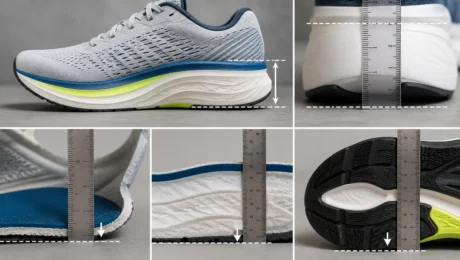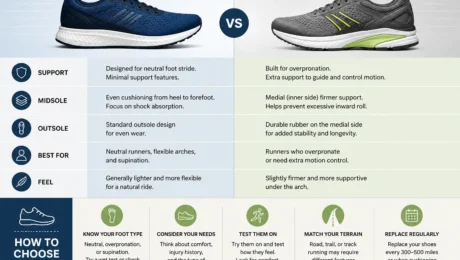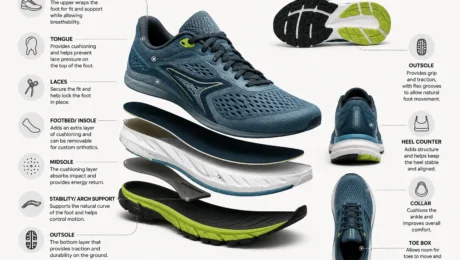
What Is Stack Height in Running Shoes Guide
Stack height can make or break your run. Learn what stack height means in running shoes, how it affects cushioning and ground feel, and which level suits your running style.
Choosing the right running shoes involves more than looking at brand names, colors, or cushioning labels. One important factor that can change how your run feels is stack height. Many runners search for “stack height running shoes” because they want to understand why some shoes feel soft and protective while others feel fast and connected to the ground.
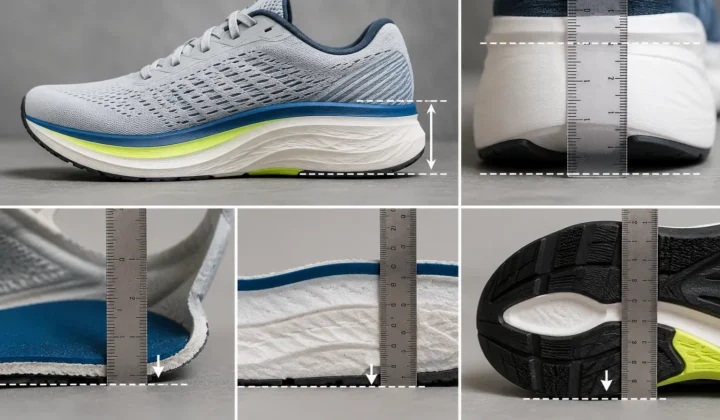
Stack height refers to the total amount of material between your foot and the ground, including the midsole foam, outsole, and other shoe components. It influences cushioning, comfort, stability, weight, and ground feel. Whether you prefer long-distance training, daily running, speed workouts, or recovery sessions, understanding stack height can help you choose footwear that matches your running style.
Modern running shoes in 2026 come in many different stack height designs, from low-profile models focused on responsiveness to high stack running shoes built for maximum cushioning. Brands like Nike, ASICS, HOKA, Brooks, and New Balance use different foam technologies and geometries to create unique running experiences.
Table of contents
- Save This on Pinterest!
- What Does Stack Height Mean in Running Shoes?
- What Is Stack Height in Running Shoes?
- How Stack Height Affects Running Performance
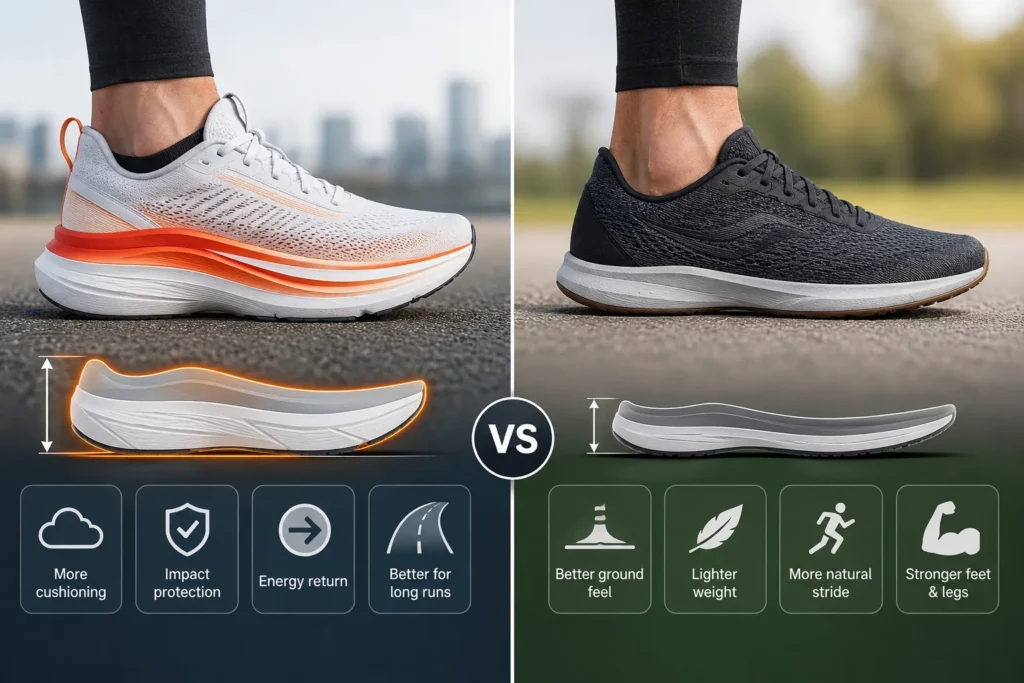
- High Stack Running Shoes vs Low Stack Running Shoes
- What Stack Height Is Best for Different Types of Runners?
- Does Higher Stack Height Mean Better Running Shoes?
- Common Mistakes When Choosing Stack Height
- Frequently Asked Questions
Save This on Pinterest!
No time to read this stack height running shoes now? Click on the save button and pin it for later!
What Does Stack Height Mean in Running Shoes?
Stack height is the measurement of how much shoe material sits between your foot and the ground. A higher stack height usually provides more cushioning and impact protection, while a lower stack height gives better ground feel and a more natural running sensation. The best option depends on your distance, comfort needs, and running style.
Our Read How to Find Your Running Gait: A Step-by-Step Guide
What Is Stack Height in Running Shoes?

Stack height is the vertical distance from the bottom of a running shoe to where your foot rests inside the shoe. It includes the midsole foam, outsole rubber, and sometimes additional plates or cushioning layers.
For example, a running shoe with a 40mm stack height has significantly more cushioning material than a shoe with a 20mm stack height. This difference affects how the shoe absorbs impact and how connected you feel to the running surface.
Stack height is different from heel-to-toe drop. Stack height measures the total shoe thickness, while heel-to-toe drop measures the difference in height between the heel and forefoot.
How Stack Height Affects Running Performance
Cushioning and Impact Protection
The biggest effect of stack height is cushioning. High stack running shoes usually contain more foam, which helps absorb impact during each foot strike. This can be beneficial for runners who spend more time on their feet, run longer distances, or want extra comfort.
For marathon training and high-mileage runners, shoes like the HOKA Clifton and ASICS Gel-Nimbus are popular because their thicker midsoles provide a softer and more protected ride.
Ground Feel and Stability
Low stack running shoes place your foot closer to the ground, creating a more direct connection with the surface. Some runners prefer this because it can feel more natural and responsive during shorter runs or faster workouts.
However, lower stack shoes may provide less protection from hard surfaces compared with higher stack designs. Runners who prioritize comfort over ground feedback often choose more cushioned models.
Our Read Neutral vs Stability Running Shoe
Running Efficiency
Stack height can influence how efficiently a shoe transfers energy. Modern running shoes often combine high stack foam with lightweight materials to create a balance between cushioning and speed.
Performance shoes such as Nike Vaporfly and Adidas Adizero racing models use advanced foam technologies and lightweight construction to help runners maintain speed during races.
High Stack Running Shoes vs Low Stack Running Shoes
| Feature | High Stack Running Shoes | Low Stack Running Shoes |
|---|---|---|
| Cushioning | More impact protection and softer feel | Less cushioning with more ground feedback |
| Comfort | Better for long runs and recovery | Better for runners who prefer a natural feel |
| Weight | Can be heavier depending on materials | Usually lighter and simpler |
| Stability | Depends on shoe design and width | Often feels closer to the ground |
| Best Use | Daily training, marathon, long distances | Short runs, speed sessions, natural running |
Our Read 5 Best Running Shoes for Wide Feet (2026)
What Stack Height Is Best for Different Types of Runners?
Daily Training
Most runners benefit from a medium to high stack height daily trainer. These shoes provide a balance between comfort, durability, and performance. Popular examples include Brooks Ghost, Nike Pegasus, and Saucony Ride.
Long Distance and Marathon Running
Long-distance runners often prefer higher stack shoes because extra cushioning can reduce fatigue over many miles. A comfortable midsole can make a noticeable difference during marathon preparation and recovery runs.
Speed Training and Tempo Runs
For faster workouts, many runners choose lightweight shoes with responsive foam. A moderate stack height combined with energetic cushioning can provide quick transitions without feeling too bulky.
Beginners
New runners often benefit from comfortable shoes with enough cushioning to support their early training. A very low stack shoe may feel less forgiving when building mileage.
Does Higher Stack Height Mean Better Running Shoes?
A higher stack height does not automatically mean a better running shoe. The ideal choice depends on your body, running technique, goals, and personal comfort preferences.
Some runners love maximum cushioning because it reduces stress during long runs, while others prefer a lower profile shoe because they enjoy feeling connected to the road.
The best running shoe is the one that matches your needs, not simply the one with the highest amount of foam.

Common Mistakes When Choosing Stack Height
- Choosing a shoe only because it has maximum cushioning.
- Ignoring fit, width, and overall comfort.
- Switching suddenly from low stack shoes to very high stack models.
- Forgetting that stability depends on the full shoe design, not only stack height.
- Buying racing shoes for daily training without considering durability.
Understanding stack height in running shoes helps you make smarter footwear decisions. A higher stack can provide extra cushioning and comfort for long distances, while a lower stack can deliver better ground feel and responsiveness. There is no single perfect stack height because every runner has different goals, preferences, and needs.
When choosing your next pair of running shoes, consider stack height alongside cushioning, stability, fit, and intended use. The right balance can improve comfort, confidence, and enjoyment on every run.
Frequently Asked Questions
What does stack height mean in running shoes?
Stack height means the total thickness of material between your foot and the ground. It includes the midsole, outsole, and cushioning layers. Running shoes with higher stack heights generally provide more cushioning, while lower stack shoes create a closer-to-ground feeling.
Are high stack running shoes better for beginners?
High stack running shoes can be a good option for beginners because they usually provide extra comfort and impact protection. However, beginners should also consider fit, stability, and overall shoe feel instead of choosing based only on cushioning level.
What is the difference between high stack and low stack running shoes?
High stack running shoes have more cushioning material and often feel softer, making them suitable for longer runs. Low stack running shoes have less foam, which creates better ground connection and a more responsive experience for some runners.
Does stack height affect running speed?
Stack height can influence running speed by changing weight, cushioning, and energy return. Some modern high stack racing shoes are designed for speed because they combine lightweight foam with efficient geometry.
How do I choose the right stack height for my running style?
Choose based on your training type, distance, and comfort preference. Daily runners may prefer medium cushioning, marathon runners often like higher stack designs, and runners focused on speed may prefer lighter shoes with responsive cushioning.