Running Shoe Anatomy Explained: Parts of a Running Shoe & What They Do
Learn what every part of a running shoe actually does. From midsole to heel counter, we break down running shoe anatomy so you can shop smarter and run better.
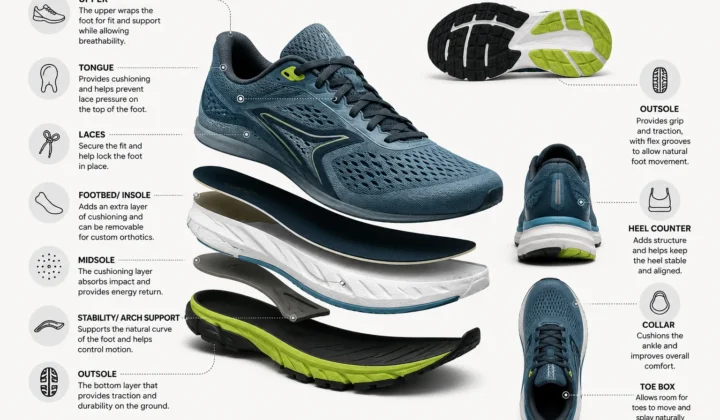
Running Shoe Anatomy Explained: What Every Part Actually Does
Ever looked at a running shoe and wondered what all those layers, panels, and components are actually for? Understanding running shoe anatomy is one of the most useful things you can do as a runner — whether you’re buying your first pair or upgrading after years of training. Every part of a running shoe has a specific job, and knowing what each one does helps you match a shoe to your foot type, running style, and training goals.
Our Read How to Break In New Running Shoes (Without Getting Blisters)
Too many runners pick shoes based on looks alone, then wonder why they end up with blisters, shin splints, or worn-out soles after just a few months. The reality is that a running shoe is a piece of precision engineering, and each component — from the outsole rubber to the heel counter — plays a direct role in your comfort, performance, and injury prevention.
In this guide, we break down every major part of a running shoe in plain language, so you can shop smarter, understand product descriptions, and get more out of every run.
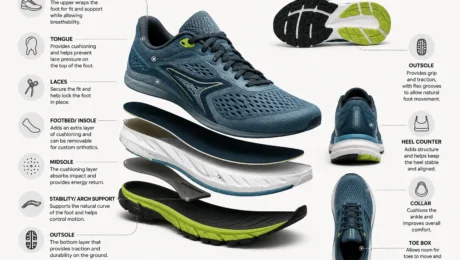
Running shoe anatomy refers to the individual components that make up a running shoe. The main parts include the outsole (ground contact), midsole (cushioning and support), upper (fit and breathability), heel counter (stability), toe box (forefoot space), and insole (underfoot comfort). Each part affects how a shoe performs, fits, and protects your feet during a run.
The Outsole: Your Connection to the Ground
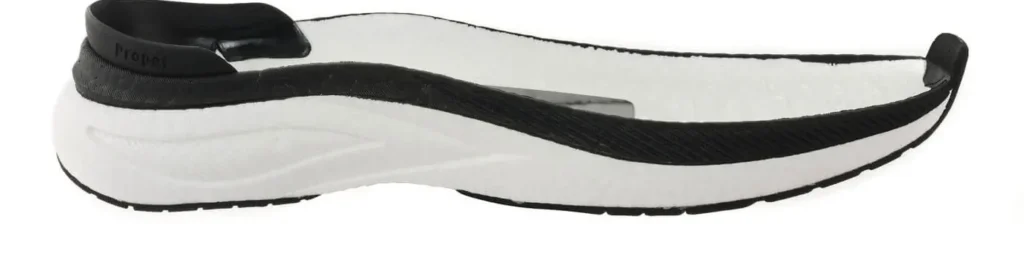
The outsole is the very bottom of the shoe — the part that makes direct contact with the running surface. It’s typically made from rubber, and the density and pattern of that rubber determines how well the shoe grips, how long it lasts, and how it performs across different terrain.
Carbon rubber, the harder compound, is used in high-wear areas like the heel and forefoot where abrasion is greatest. Blown rubber, which is softer and lighter, appears in areas where cushioning matters more than durability. Some performance shoes, like the Nike Vaporfly or Adidas Adizero, use minimal outsole coverage to save weight — a trade-off that sacrifices durability for speed.
The lug pattern on the outsole also matters. Flat, smooth outsoles suit roads and treadmills. Deeper, more aggressive lugs are found on trail shoes where grip on mud, gravel, and wet surfaces is essential.
Our Read Best Running Shoes for Plantar Fasciitis in 2026
The Midsole: The Heart of a Running Shoe
If there’s one part of a running shoe that matters most, it’s the midsole. This is the thick layer of foam sandwiched between the outsole and the upper, and it’s responsible for cushioning, energy return, and stability. When you read about foam technology in running shoes — React foam, ZoomX, PWRRUN, FF Blast, or DNA Loft — those are all midsole materials.
Midsole vs Outsole: What’s the Difference?
This is one of the most commonly confused elements of running shoe anatomy. The outsole is the rubber layer at the very bottom — durable and grippy. The midsole sits above it and is typically foam — its job is cushioning and support, not durability or traction. Together, they form the entire sole unit of the shoe.
Our Read Best Running Shoes for Beginners in 2026
Stack Height and Heel-to-Toe Drop
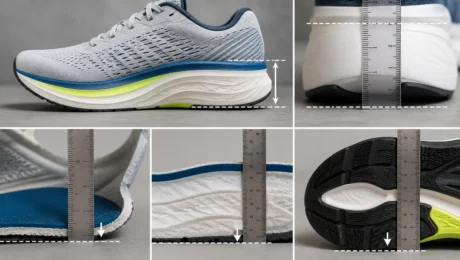
Stack height refers to the total thickness of the midsole at any given point. Shoes like the HOKA Clifton are famous for their high stack height, which delivers maximum impact absorption on long, easy runs. In contrast, racing shoes tend to run leaner to keep the foot closer to the ground for better proprioception at speed.
Heel-to-toe drop — sometimes called offset — is the difference in midsole height between the heel and the forefoot. A 10mm drop is common in everyday trainers and suits heel strikers. Lower drops (4mm or less) are found in minimalist and natural running shoes, encouraging a midfoot strike. Getting the drop wrong for your running style is one of the most common causes of Achilles and calf injuries in new runners.
Carbon Fibre Plates
In recent years, many high-performance running shoes have introduced carbon fibre plates embedded within the midsole. Found in shoes like the Nike Vaporfly and Adidas Adizero, these plates stiffen the forefoot, improve energy transfer, and give a propulsive snap with each stride. They’re primarily designed for racing and fast tempo work rather than everyday training runs.
The Upper: Fit, Breathability, and Structure
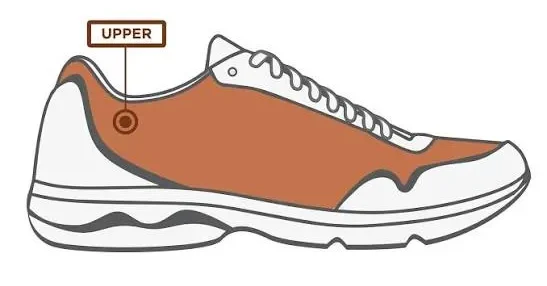
The upper is everything above the sole — the part that wraps around your foot. It’s made from a combination of mesh, overlays, and interior linings, each contributing to fit, breathability, and durability. A well-designed upper holds your foot securely without creating pressure points, and allows enough airflow to keep your feet cool across longer distances.
Modern running shoe uppers use engineered mesh, which is woven in different densities across the shoe — tighter in high-wear zones, more open where ventilation matters. Shoes like the Brooks Ghost and ASICS Gel-Nimbus use multi-layer upper constructions that balance structure with comfort across varied training distances.
The Heel Counter: Stability and Rearfoot Control
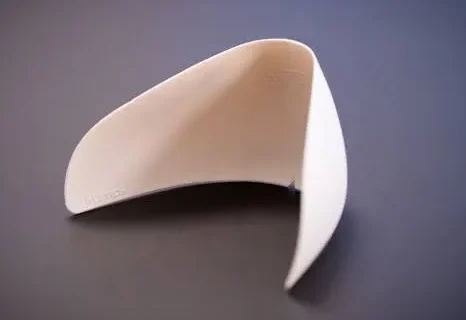
The heel counter is a firm, semi-rigid cup built into the rear of the shoe’s upper, surrounding the back of your heel. Its primary purpose is to control rearfoot motion — preventing excessive inward or outward rolling — and to keep your heel locked into position during the push-off phase of your stride.
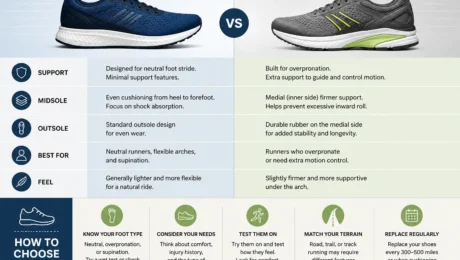
A strong heel counter in a running shoe is particularly important for overpronators, where the foot rolls inward excessively. Stability shoes typically feature reinforced heel counters alongside medial post support in the midsole to address this. If your heel slips during runs or you experience ankle instability, the heel counter is often the first place to assess when evaluating a new shoe.
The Toe Box: Space for Natural Foot Movement
The toe box is the front section of the upper that houses your toes. Its width, height, and shape significantly affect comfort, especially on longer runs when feet naturally swell. A narrow, pointed toe box compresses the toes together and is one of the leading causes of blisters, black toenails, and bunion aggravation in runners.
Wider toe boxes have become a growing trend in running footwear, with brands engineering more anatomically shaped forefoot sections that allow the toes to splay naturally during push-off. If you have wide feet or regularly experience forefoot discomfort, prioritising toe box width when selecting shoes is essential.
The Insole and Sockliner
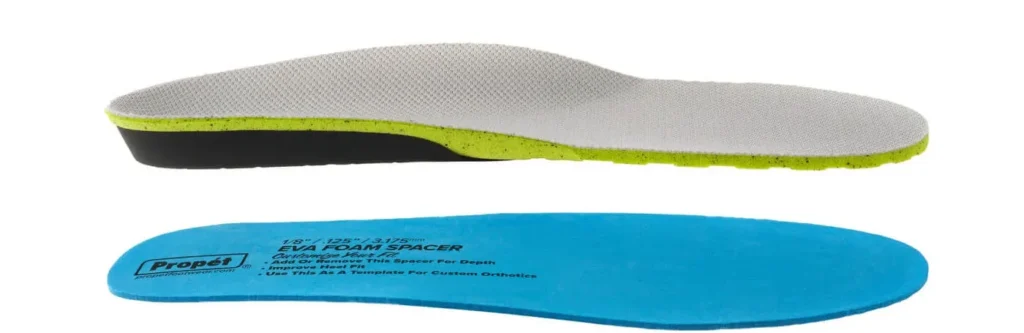
The insole — also called the sockliner or footbed — sits inside the shoe directly under your foot. Most running shoes include a basic removable insole that provides light underfoot cushioning and moisture management. While stock insoles are adequate for most runners, those with specific arch support needs or biomechanical issues often replace them with custom or aftermarket orthotics to better address their individual foot structure.
The Collar and Tongue
The collar is the opening at the top of the shoe where your foot enters. Padding around the collar reduces friction against the ankle and Achilles area. The tongue runs along the top of the foot beneath the laces, protecting the dorsal (top) surface from lace pressure. Both are important comfort features on longer runs where repetitive motion increases the likelihood of rubbing.

Frequently Asked Questions
What is the most important part of a running shoe?
The midsole is widely considered the most critical component of a running shoe. It determines cushioning level, energy return, and stability underfoot. The foam material and stack height directly affect how comfortable and efficient each run feels, and how well the shoe protects your joints over time and distance.
What is the difference between the midsole and the outsole in a running shoe?
The outsole is the rubber bottom layer of the shoe that contacts the ground — it provides grip and durability. The midsole sits above it and is typically made from foam — its job is to absorb impact and return energy. Both form the complete sole unit but serve completely different functions in the shoe’s construction.
What does a heel counter do in a running shoe?
A heel counter is a firm structural cup built into the rear of the upper that wraps around the back of your heel. It controls rearfoot motion, prevents excessive pronation or supination, and holds the heel securely in place during your stride. It’s particularly important for runners with overpronation or ankle instability issues.
Why does heel-to-toe drop matter when choosing running shoes?
Heel-to-toe drop affects how your foot strikes the ground and the load placed on different parts of your lower leg. Higher drops (8–12mm) suit heel strikers and reduce Achilles strain, while lower drops (0–4mm) encourage midfoot striking. Switching drop dramatically without transition time is a common cause of calf and Achilles injuries in runners.
What does stack height mean in running shoes?
Stack height refers to the total thickness of the midsole measured in millimetres, typically at the heel. A higher stack height, like that found in the HOKA Clifton, means more foam between your foot and the ground, offering greater cushioning and impact absorption. Lower stack heights provide more ground feel and are common in racing and minimalist shoes.
Conclusion
Understanding running shoe anatomy transforms the way you approach buying and using running shoes. Once you know the role of each component — from the cushioning midsole to the stability heel counter and the breathable upper — the technical language on product pages stops being confusing and starts being genuinely useful. You’ll know why a high-stack neutral shoe like the HOKA Clifton suits easy recovery runs, why a firmer heel counter matters if you overpronate, and why toe box width becomes critical as your mileage climbs. Use this knowledge every time you shop, and you’ll consistently make better decisions for your feet, your training, and your long-term running health.