
Laced Up: A Brief History of Sneaker Culture Through the Decades
A deep dive into how sneakers evolved from athletic gear to global fashion icons — covering key moments from the 1970s to today's hypebeast era.
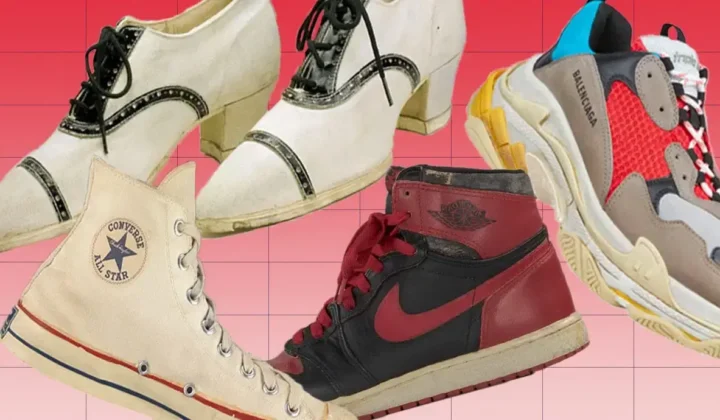
History of Sneaker Culture
The history of sneaker culture is a story of innovation, sports, music, and fashion coming together to create one of the most influential global movements in modern style. What began as simple athletic footwear designed for performance eventually transformed into a cultural phenomenon that influences fashion trends, streetwear, entertainment, and even investment markets.
From the basketball courts of the 1970s to today’s limited-edition collaborations that sell out within minutes, sneakers have evolved far beyond their original purpose. Athletes, musicians, designers, and collectors all played important roles in shaping what sneakers represent today. Understanding this journey helps explain why certain releases generate massive excitement and why sneaker collecting has become a worldwide passion.
Whether you’re new to sneakers or already a dedicated collector, exploring the origins and growth of sneaker culture reveals how a practical piece of sports equipment became a symbol of identity, creativity, and self-expression.
Quick Answer
The history of sneaker culture began in the 1970s when athletic shoes became closely linked with basketball, running, and emerging street fashion. During the 1980s, brands like Nike, Adidas, and Converse gained cultural significance through sports and music. By the 1990s and 2000s, sneaker collecting and limited releases created the modern sneakerhead community, leading to today’s global sneaker culture driven by fashion, collaborations, and resale markets.
Related Reading
Best Sneakers for Everyday Wear
The Origins of Sneaker Culture
The term “sneaker” dates back to the late 19th century when rubber-soled shoes allowed people to move quietly compared to traditional hard-soled footwear. However, the true sneaker culture origin can be traced to the 1970s.
During this period, running became increasingly popular, and brands such as Nike, Adidas, Puma, and New Balance introduced performance-focused footwear. Sneakers were primarily athletic tools, but they slowly started appearing in everyday fashion.
Basketball also helped elevate sneakers beyond sports. Players began gaining celebrity status, and fans wanted to wear the same shoes as their favorite athletes. This laid the foundation for future signature sneaker lines.
The 1980s: Sports and Music Change Everything
The 1980s marked a turning point in the history of sneaker culture. This decade saw the rise of athlete endorsements and the powerful influence of music.
Michael Jordan and the Air Jordan Revolution
In 1984, Nike signed Michael Jordan and launched the Air Jordan line. The Air Jordan 1 became more than a basketball shoe—it became a cultural icon.
For the first time, a sneaker generated widespread excitement beyond sports fans. Limited availability, unique colorways, and Jordan’s on-court success created unprecedented demand.
Hip-Hop and Adidas
At the same time, hip-hop artists embraced sneakers as part of their identity. Run-D.M.C.’s connection with Adidas Superstars helped bridge the gap between music and footwear.
This era answered the question “when did sneakers become fashion?” For many historians, the 1980s represent the moment sneakers moved from athletic gear to mainstream style statements.
The 1990s: The Rise of the Sneakerhead
The 1990s introduced a new type of consumer: the sneaker collector.
Brands released increasingly innovative designs featuring visible air units, bold colors, and advanced performance technology. Popular models included:
- Nike Air Max series
- Air Jordan releases
- Reebok Pump
- Adidas EQT models
- Puma Disc System
Collectors began tracking release dates, hunting rare colorways, and building personal collections. This period represents a significant chapter in sneakerhead history.
Basketball stars such as Michael Jordan, Penny Hardaway, Charles Barkley, and Allen Iverson further fueled demand for signature footwear.
The 2000s: Limited Editions and Collaboration Culture
The 2000s transformed sneakers into highly sought-after collectibles.
Brands started releasing limited-edition products and collaborating with artists, musicians, designers, and retailers. These partnerships created unique designs that appealed to both sneaker enthusiasts and fashion fans.
Notable collaborations included projects involving:
- Nike SB and skate shops
- Adidas and fashion designers
- Streetwear brands such as Supreme
- Luxury fashion houses entering the sneaker market
Online forums and early social media platforms allowed collectors worldwide to share collections, discuss releases, and build communities.
The 2010s: Sneakers Enter Luxury Fashion
During the 2010s, sneakers became one of the most important categories in fashion.
Luxury brands that traditionally focused on formal footwear began creating premium sneakers. At the same time, collaborations between sportswear companies and high-fashion designers attracted new audiences.
Influential releases included:
- Nike and Off-White collaborations
- Adidas Yeezy models
- Luxury designer sneakers
- Retro Jordan re-releases
The resale market expanded dramatically, with rare sneakers often selling for many times their original retail price. Sneakers were no longer just footwear—they became collectible assets.

The Modern Hypebeast Era
Today’s sneaker culture is driven by a combination of fashion, technology, celebrity influence, and online communities.
Limited releases create anticipation through exclusive drops and raffles. Social media platforms allow trends to spread instantly across the world. Consumers can buy, sell, and trade sneakers through specialized marketplaces.
Modern sneaker culture includes several groups:
- Collectors seeking rare pairs
- Fashion enthusiasts following trends
- Athletes focused on performance
- Resellers participating in secondary markets
- Everyday consumers looking for comfort and style
Brands now balance heritage models with innovative technologies, ensuring that classic designs remain relevant while introducing new concepts.
Why Sneaker Culture Remains So Popular
The lasting appeal of sneaker culture comes from its unique combination of functionality and personal expression.
Unlike many fashion items, sneakers connect people to sports, music, art, and cultural moments. A single pair can represent a favorite athlete, a memorable collaboration, or an important era in fashion history.
Additionally, sneakers are accessible to a broad audience. Whether someone buys affordable everyday footwear or collects rare limited editions, there is a place for everyone within sneaker culture.
Key Takeaways
- Sneaker culture began gaining momentum during the 1970s through sports and running communities.
- The 1980s introduced athlete endorsements and music influences that transformed sneakers into fashion items.
- Air Jordan helped create unprecedented excitement around sneaker releases.
- The 1990s saw the emergence of dedicated sneaker collectors and sneakerhead communities.
- The 2000s popularized collaborations and limited-edition releases.
- The 2010s brought sneakers into luxury fashion and expanded resale markets.
- Modern sneaker culture combines fashion, sports, technology, and community.
FAQ
What is the origin of sneaker culture?
The origin of sneaker culture can be traced to the 1970s when athletic shoes became popular beyond sports. Running, basketball, and urban fashion helped sneakers gain cultural significance, eventually creating a community of enthusiasts who viewed footwear as more than performance equipment.
When did sneakers become fashion?
Most experts point to the 1980s as the period when sneakers became fashion. The rise of Air Jordan, hip-hop culture, and athlete endorsements transformed athletic shoes into everyday style pieces worn far beyond sports settings.
Who started sneakerhead culture?
Sneakerhead culture developed gradually through passionate basketball fans, athletes, and collectors during the late 1980s and 1990s. There was no single founder, but Air Jordan enthusiasts played a major role in building the early collecting community.
Why are limited-edition sneakers so popular?
Limited-edition sneakers create exclusivity and excitement. Smaller production numbers increase demand, while collaborations with athletes, artists, and designers make releases feel unique. This combination often makes certain models highly collectible.
Is sneaker culture still growing today?
Yes. Sneaker culture continues to expand globally through social media, online marketplaces, fashion collaborations, and innovative footwear technology. New consumers join the community every year, while established collectors remain active in buying, selling, and trading sneakers.
Conclusion
The history of sneaker culture reflects much more than the evolution of footwear. It showcases how sports, music, fashion, and community can transform a simple product into a global cultural symbol. From the running boom of the 1970s and the Air Jordan revolution of the 1980s to today’s highly anticipated collaborations and resale markets, sneakers have continuously adapted to changing trends while maintaining their cultural significance.
As new technologies and creative partnerships emerge, sneaker culture will likely continue evolving. Yet its core appeal remains unchanged: sneakers allow people to express individuality while connecting to a shared global community.
What Do You Think?
Which decade had the biggest impact on sneaker culture: the 1980s, 1990s, 2000s, or today’s hypebeast era?