Understanding the Sneaker Resale Market: A Complete Beginner’s Guide
A complete guide to the sneaker resale market — how prices are set, which platforms to use, what drives hype, and whether reselling sneakers is worth it.
Introduction
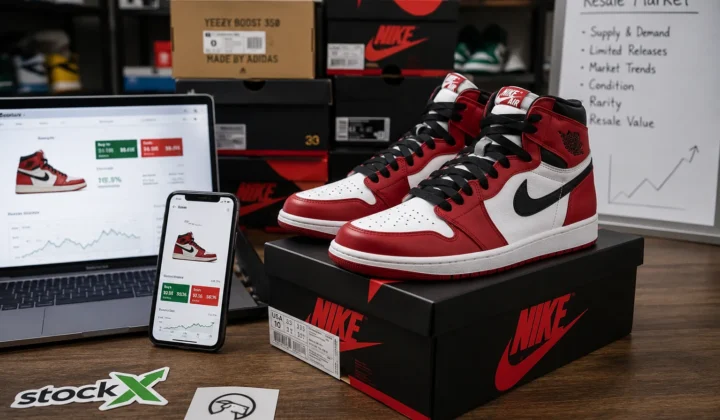
The sneaker resale market has grown from a niche hobby into a global industry worth billions of dollars. Limited-edition releases, celebrity collaborations, and exclusive colorways have transformed certain sneakers into collectible assets that often sell for far more than their original retail price. Whether you’re curious about buying rare sneakers or considering reselling your own collection, understanding how the market works can help you make smarter decisions.
This sneaker resale market explained guide covers how resale prices are determined, why some shoes become highly valuable, which platforms are most trusted, and what risks buyers and sellers should consider. You’ll also learn how sneaker flipping works, what drives demand, and whether reselling is still profitable in 2026. From Nike and Adidas to New Balance and Jordan Brand, knowing the fundamentals will help you navigate today’s competitive sneaker marketplace with confidence.
Quick Answer
The sneaker resale market allows buyers and sellers to trade sneakers above or below retail value based on supply and demand. Limited releases, collaborations, condition, size availability, and market trends all influence prices. Popular platforms such as StockX and GOAT authenticate sneakers before completing sales, making them among the safest places to buy and sell authentic pairs.
What Is the Sneaker Resale Market?
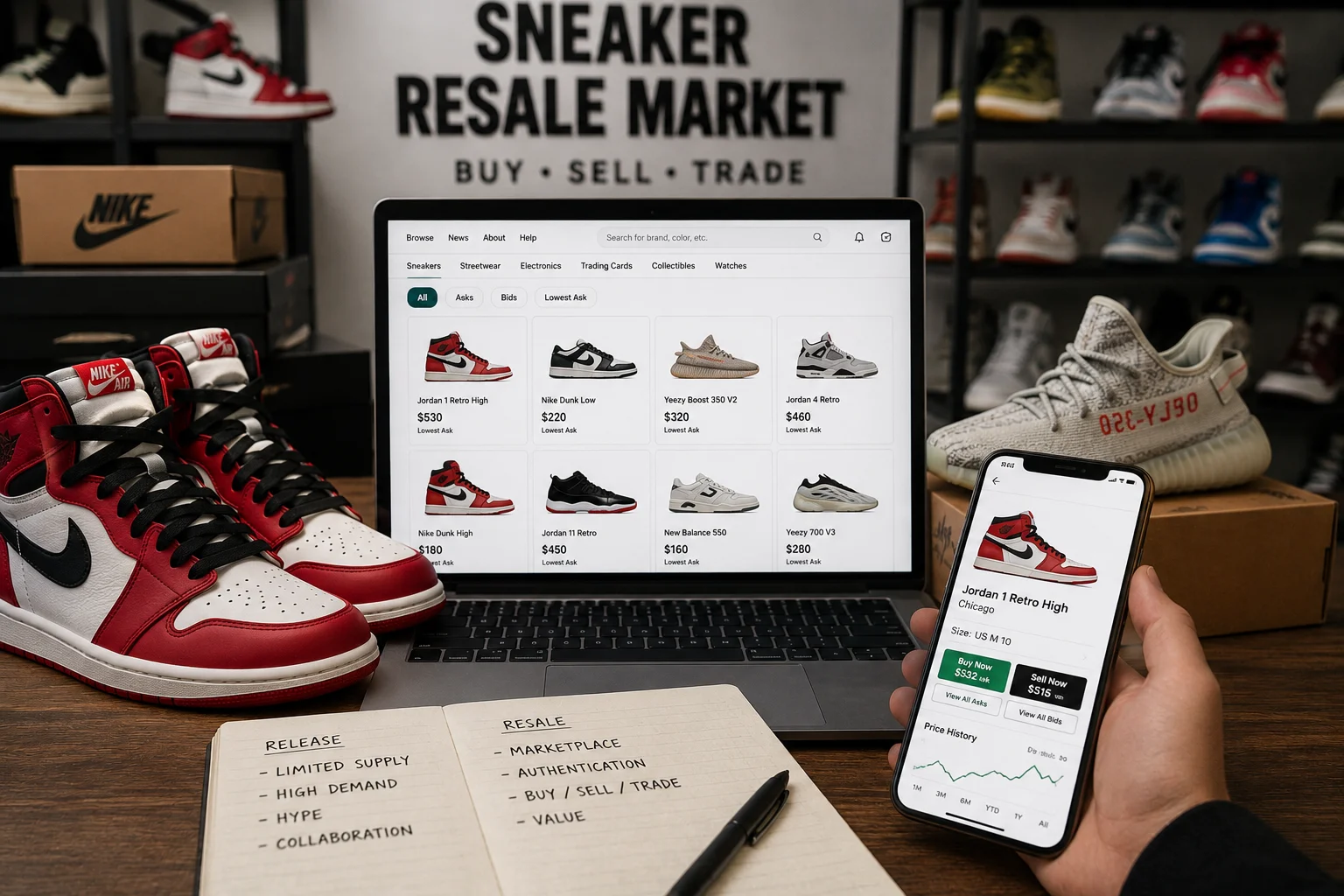
The sneaker resale market is a secondary marketplace where sneakers are bought and sold after their original retail release. Unlike traditional shoe stores, resale platforms connect individual buyers with individual sellers.
Many sneakers enter the resale market because they were released in limited quantities. Once retailers sell out, buyers who missed the release often pay a premium to secure a pair.
Popular brands dominating resale include:
- Nike
- Air Jordan
- Adidas
- New Balance
- ASICS
- Salomon
Collaborations with artists, athletes, designers, and fashion labels often create the strongest resale demand.
How Sneaker Resale Works
If you’ve wondered how sneaker resale works, the process is relatively straightforward.
- A sneaker launches at retail price.
- Buyers purchase pairs through retailers, raffles, or brand apps.
- Some owners keep their shoes, while others list them on resale marketplaces.
- Buyers purchase the listed pair.
- The platform authenticates the sneakers before shipping them to the customer.
Authentication services have become one of the biggest reasons resale marketplaces continue to grow. Buyers gain confidence knowing professionals inspect each pair before delivery.
What Determines Sneaker Resale Prices?
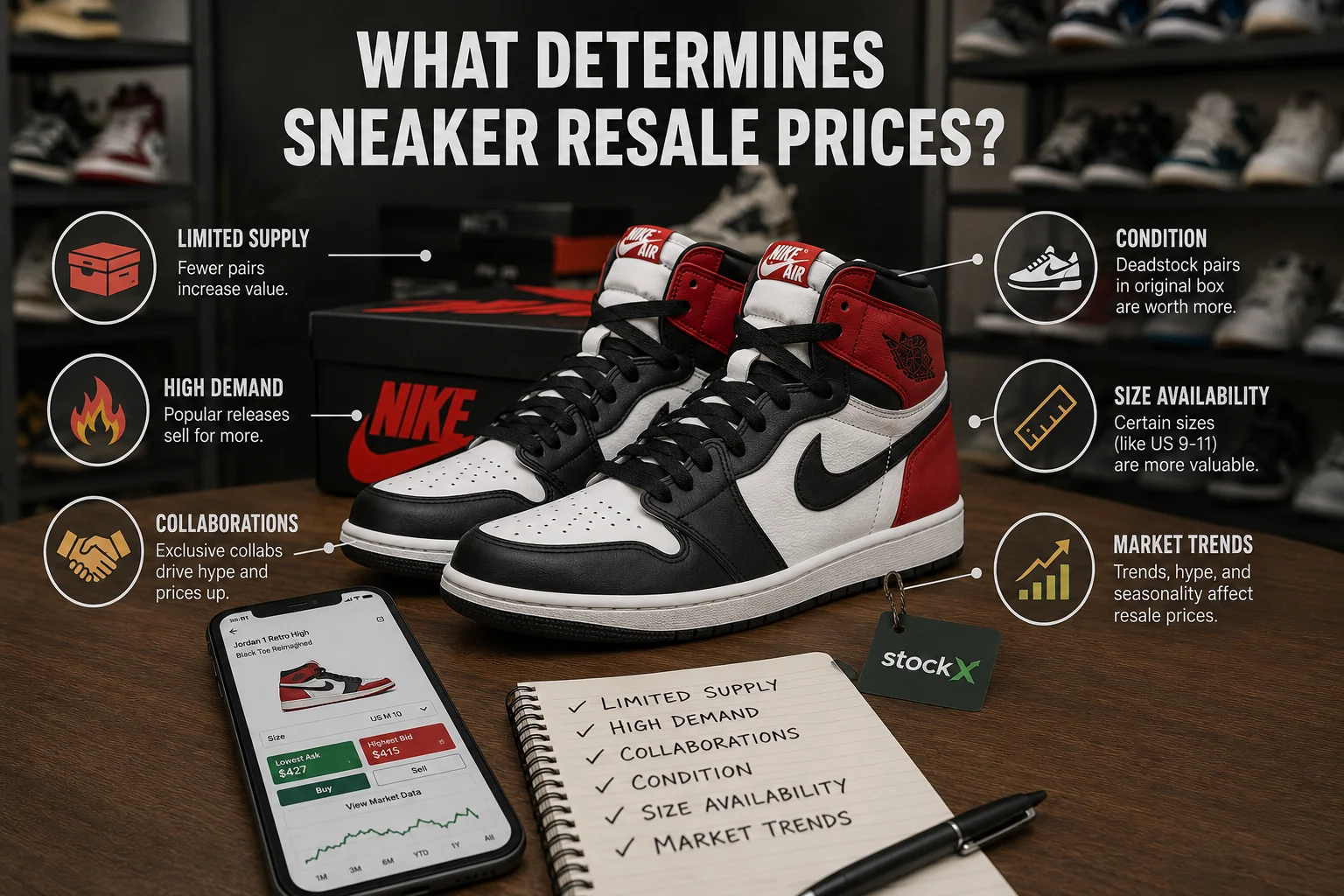
Several factors influence whether a sneaker doubles in value or struggles to sell above retail.
Limited Supply
The fewer pairs produced, the greater the potential resale value. Limited launches often create immediate demand among collectors.
High Demand
Celebrity endorsements, viral social media attention, and fashion trends can dramatically increase interest in specific models.
Brand Collaborations
Collaborations with Travis Scott, Off-White, J Balvin, Supreme, or luxury fashion houses typically generate strong resale prices because of their exclusivity.
Condition
Deadstock sneakers (brand new, unworn, with original packaging) command the highest prices. Worn shoes generally sell for less, although some rare vintage pairs remain valuable.
Size Availability
Certain sizes consistently sell for higher prices because they fit the largest group of buyers. Men’s US sizes 9 to 11 often have the strongest demand.
Market Trends
Resale values change constantly. A sneaker worth $500 today may fall to $280 after a restock or rise to $800 if demand increases.
StockX vs GOAT: Which Platform Is Better?
One of the biggest questions buyers ask is StockX vs GOAT. Both platforms dominate sneaker resale, but they offer slightly different experiences.
StockX
- Marketplace based on live bids and asks.
- Transparent historical pricing.
- Excellent for tracking market value.
- Strong authentication process.
GOAT
- Sells both new and used sneakers.
- Offers a wider variety of inventory.
- Good option for buyers seeking older releases.
- Also provides professional authentication.
For new sneakers with transparent pricing, StockX is often preferred. For shoppers interested in used pairs or hard-to-find releases, GOAT provides greater flexibility.
Can You Still Make Money Reselling Sneakers?
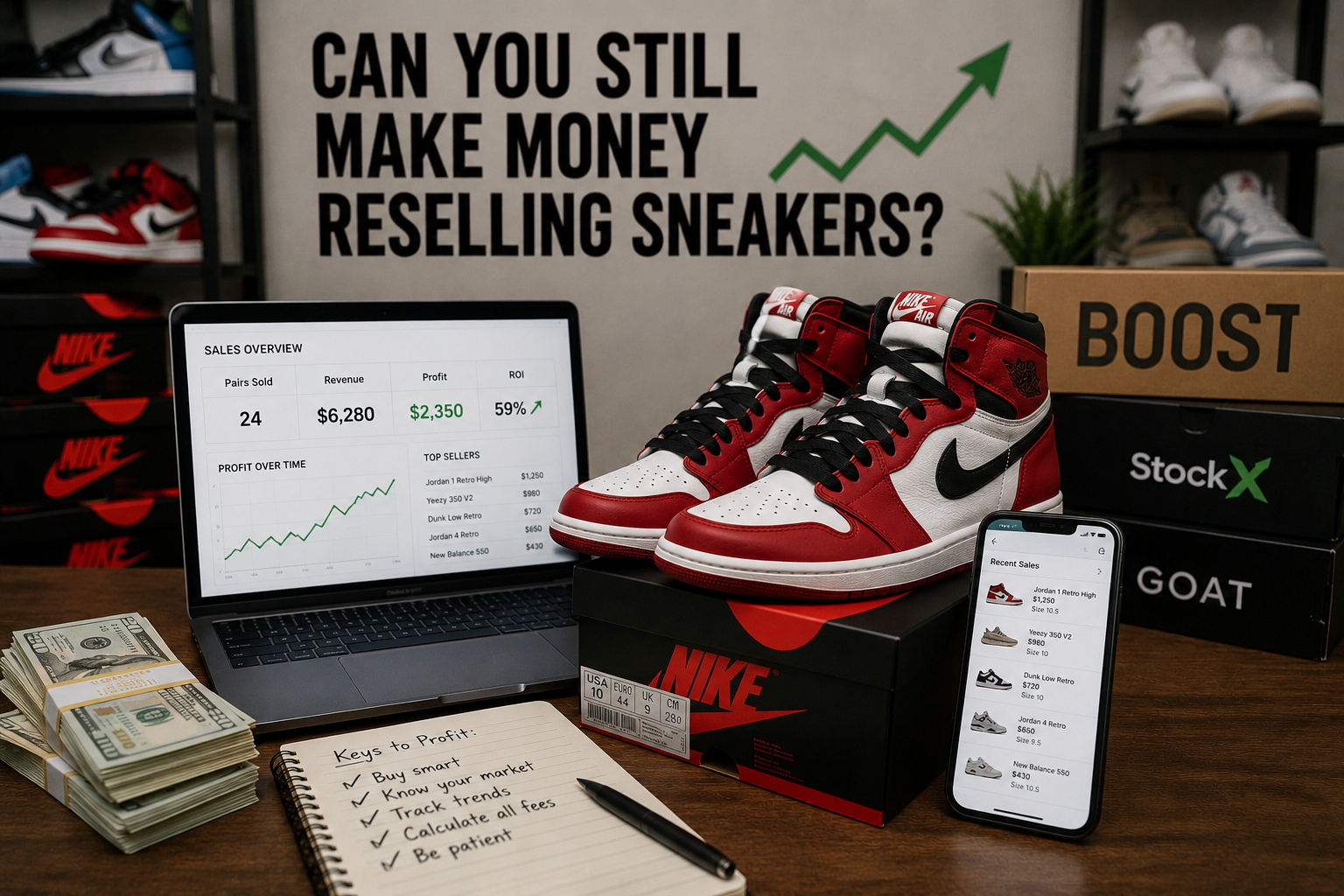
A decade ago, sneaker flipping was often easier because competition was lower. Today, profits are still possible, but success requires planning and realistic expectations.
A practical sneaker flipping guide starts with understanding that not every release becomes profitable. Many general-release sneakers eventually sell below retail.
Successful resellers usually:
- Research upcoming launches.
- Understand historical pricing.
- Buy only highly anticipated releases.
- Monitor market trends before selling.
- Factor in platform fees and shipping costs.
Holding certain pairs for several months can sometimes produce better returns than selling immediately after release, although prices can also decline unexpectedly.
Risks of Buying on the Resale Market
While reputable platforms reduce many risks, buyers should remain cautious.
- Prices may be significantly above retail.
- Market values fluctuate frequently.
- Shipping and authentication fees increase total cost.
- Counterfeit sneakers remain a concern when buying through unverified sellers.
- Some limited releases may eventually restock, lowering resale prices.
Using trusted marketplaces and reviewing seller ratings can help minimize these risks.

Should You Buy Retail or Resale?
If you have the opportunity to purchase at retail, it is almost always the better value. However, many sought-after collaborations sell out within minutes, leaving resale as the only realistic option.
For everyday sneakers, patience often pays off since many models eventually receive discounts. For limited editions or collectible releases, resale may be unavoidable if you miss launch day.
Collectors typically prioritize authenticity and rarity, while casual wearers may prefer waiting for prices to stabilize before purchasing.
Is the Sneaker Resale Market Worth It in 2026?
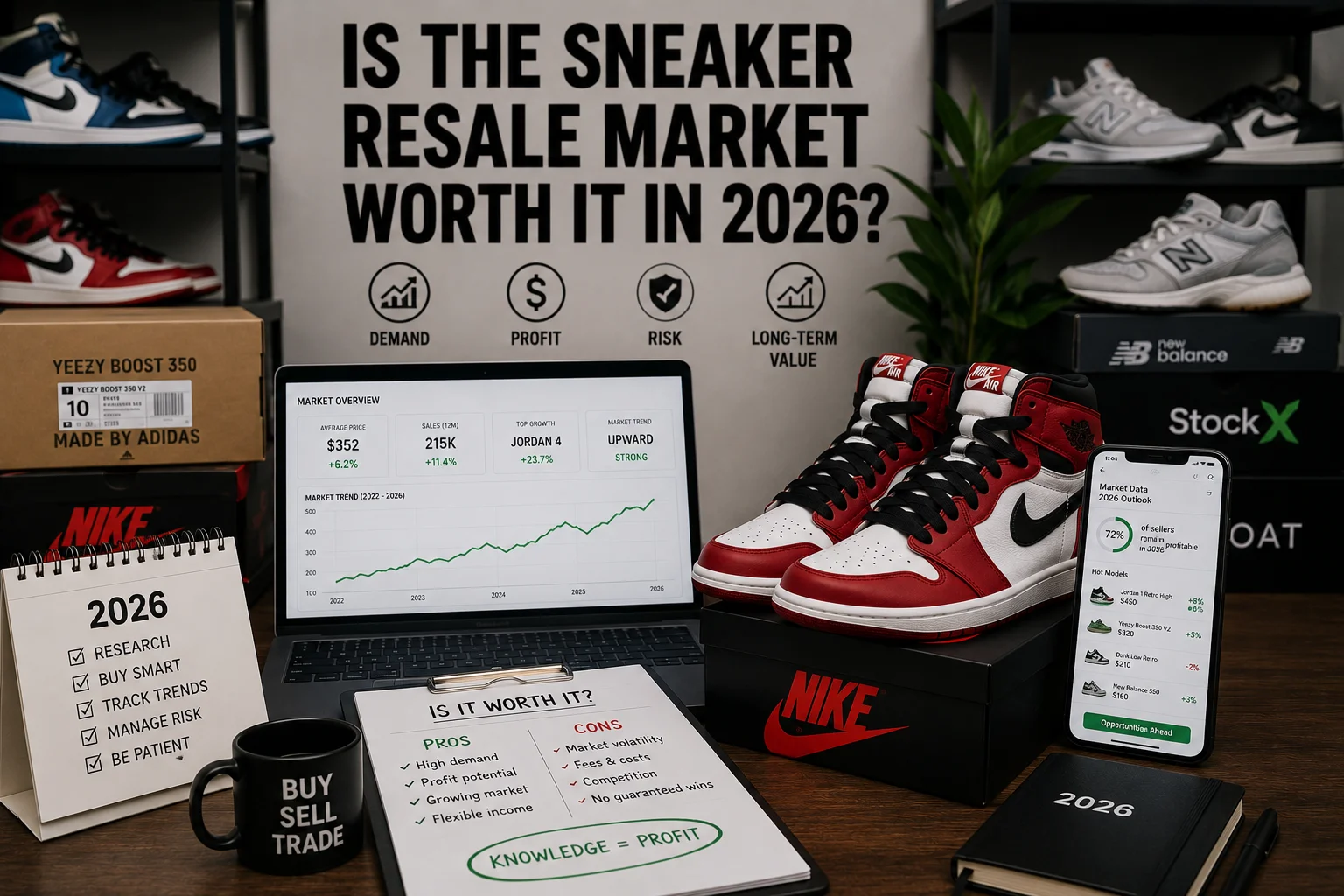
The resale market remains active in 2026, although it has become more competitive and price-sensitive. Buyers now have better access to pricing data, making extreme price inflation less common than in previous years.
Collectors still view rare sneakers as valuable collectibles, while everyday consumers increasingly focus on wearability and long-term value. Understanding market trends, release calendars, and authentication services is more important than ever for anyone participating in sneaker resale.
Frequently Asked Questions
1. Why do some sneakers cost much more after release?
Limited production, high demand, celebrity collaborations, and collector interest often push resale prices well above retail. Once stores sell out, buyers compete for the remaining pairs on resale platforms, increasing market value.
2. Is buying sneakers from resale platforms safe?
Major marketplaces use authentication services that inspect sneakers before shipment, making purchases considerably safer than buying from unknown individual sellers. However, buyers should still review fees, policies, and return conditions before placing an order.
3. Can anyone become a sneaker reseller?
Yes, but profitability depends on understanding release schedules, market demand, pricing history, and platform fees. Many beginners discover that only a small percentage of sneaker releases generate meaningful profits.
4. Do worn sneakers have resale value?
They can. Rare collaborations, vintage models, and discontinued releases often retain value even after being worn. The better the condition and the more complete the original packaging, the higher the potential resale price.
5. Which brands perform best in the resale market?
Nike and Jordan Brand continue to dominate resale, followed by Adidas, New Balance, ASICS, and select Salomon releases. Limited collaborations and special-edition models generally perform better than standard general-release sneakers.
What Do You Think?
Have you ever purchased or sold sneakers on the resale market? Do you think sneaker flipping is still worth the effort in 2026, or has the market become too competitive? Share your experience and favorite resale platform in the comments.