Best Running Shoes for Beginners in 2026
New to running? Discover the best running shoes for beginners in 2025 — with forgiving cushioning, easy fit, and expert tips to help you start strong without injury.
Starting your running journey is exciting — but choosing the wrong pair of shoes can lead to discomfort, blisters, or even injury before you’ve hit your stride. With hundreds of options on the market, finding the best running shoes for beginners can feel overwhelming. The good news? You don’t need to be an expert to make a smart choice. You just need to know what to look for.
Beginner runners have specific needs that differ from seasoned athletes. You need shoes that are forgiving on impact, easy to run in, and comfortable enough to keep you motivated during those first weeks. Whether you’re planning short jogs around the park or working towards your first 5K, the right pair of starter running shoes can make the difference between loving running and giving it up entirely.
In this guide, we break down the top options, explain what features matter most, and help you find the perfect fit — no experience required.
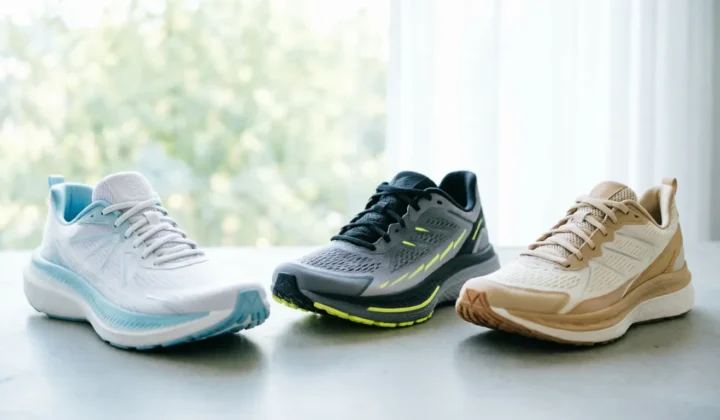
The best running shoes for beginners prioritise cushioning, comfort, and a forgiving fit. Top picks include the Brooks Ghost, ASICS Gel-Nimbus, Nike Pegasus, HOKA Clifton, and Saucony Ride. Look for good heel-to-toe drop, adequate arch support, and enough room in the toe box. Neutral shoes suit most beginners, while overpronators benefit from a stability option.
Read our Best Trail Running Shoes in 2026
What Beginner Runners Actually Need in a Shoe
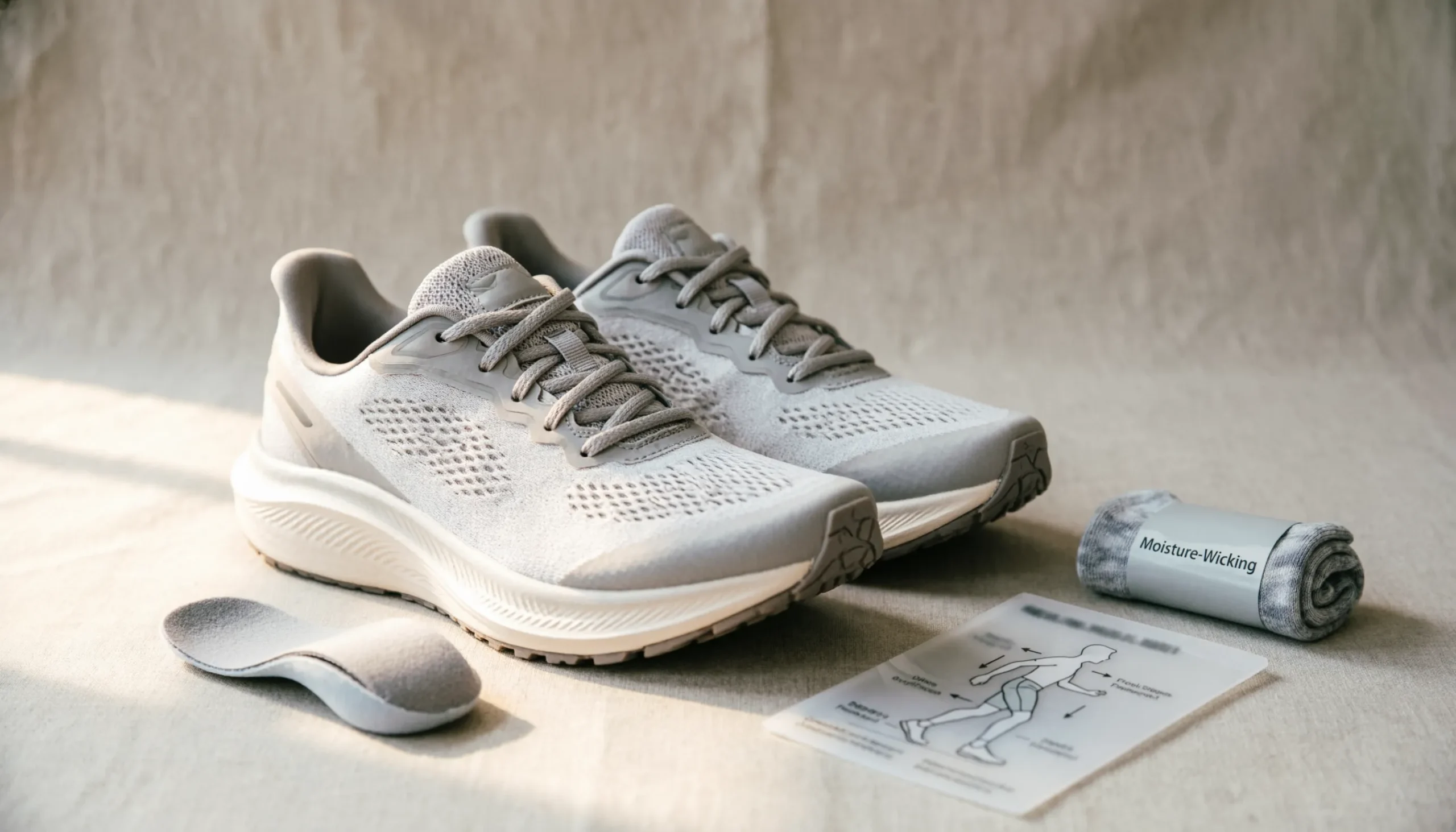
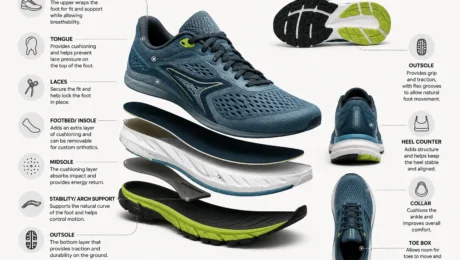
Before jumping into specific recommendations, it helps to understand what separates a great first-time running shoe from everything else. Beginners typically run less efficiently than experienced runners, which means more impact force travels through the foot, ankle, and knee with every stride. The right shoe absorbs that force and keeps you comfortable across your entire run.
Cushioning
For easy running shoes built around beginner comfort, cushioning is the single most important factor. A well-cushioned midsole reduces the stress on your joints and makes each run feel less punishing. The HOKA Clifton is widely regarded as one of the most cushioned everyday trainers available, offering a plush, low-impact ride that suits runners who are still building their base fitness. The ASICS Gel-Nimbus is another excellent option, using gel technology in the heel and forefoot to absorb shock on harder surfaces.
Stability vs Neutral
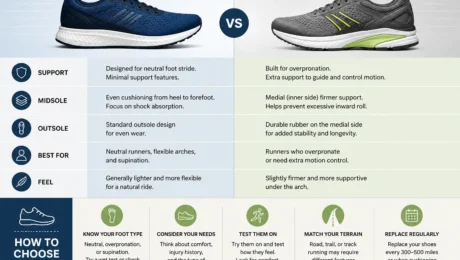
Most beginners do well in a neutral running shoe, which suits a standard foot strike without excessive inward rolling (overpronation). However, if you notice your arches collapsing inward when you run or walk, a stability shoe may be a better fit. Many specialist running stores offer a free gait analysis to help you figure this out before you buy — something worth considering when shopping for running shoes for the first time.
Heel-to-Toe Drop
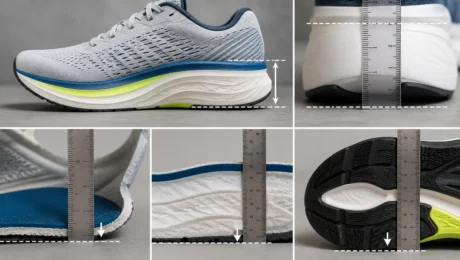
Drop refers to the height difference between the heel and the forefoot of the shoe. Most beginner-friendly shoes feature a drop of 8mm to 12mm, which encourages a heel-strike pattern and reduces strain on the Achilles tendon and calf muscles — areas commonly sore in new runners. Avoid low-drop or minimalist shoes when you’re just starting out, as these require a period of adaptation that can increase injury risk.
Fit and Toe Box
Your running shoes should have around a thumb’s width of space between your longest toe and the end of the shoe. Feet naturally swell during runs, and a cramped toe box leads to blisters and black toenails fast. A breathable upper that holds your midfoot securely without squeezing is also key.
Best Running Shoes for Beginners in 2026
Brooks Ghost — Best All-Round Starter Shoe
The Brooks Ghost consistently ranks among the top choices for beginner runners, and for good reason. It offers a balanced mix of cushioning, responsiveness, and durability that suits a wide variety of running styles. The DNA Loft v3 midsole delivers a smooth, comfortable ride without feeling heavy underfoot. It’s a neutral shoe that works well for runners with a normal or high arch, and it holds up across hundreds of miles — making it excellent value for those just getting started.
HOKA Clifton — Best for Maximum Cushioning
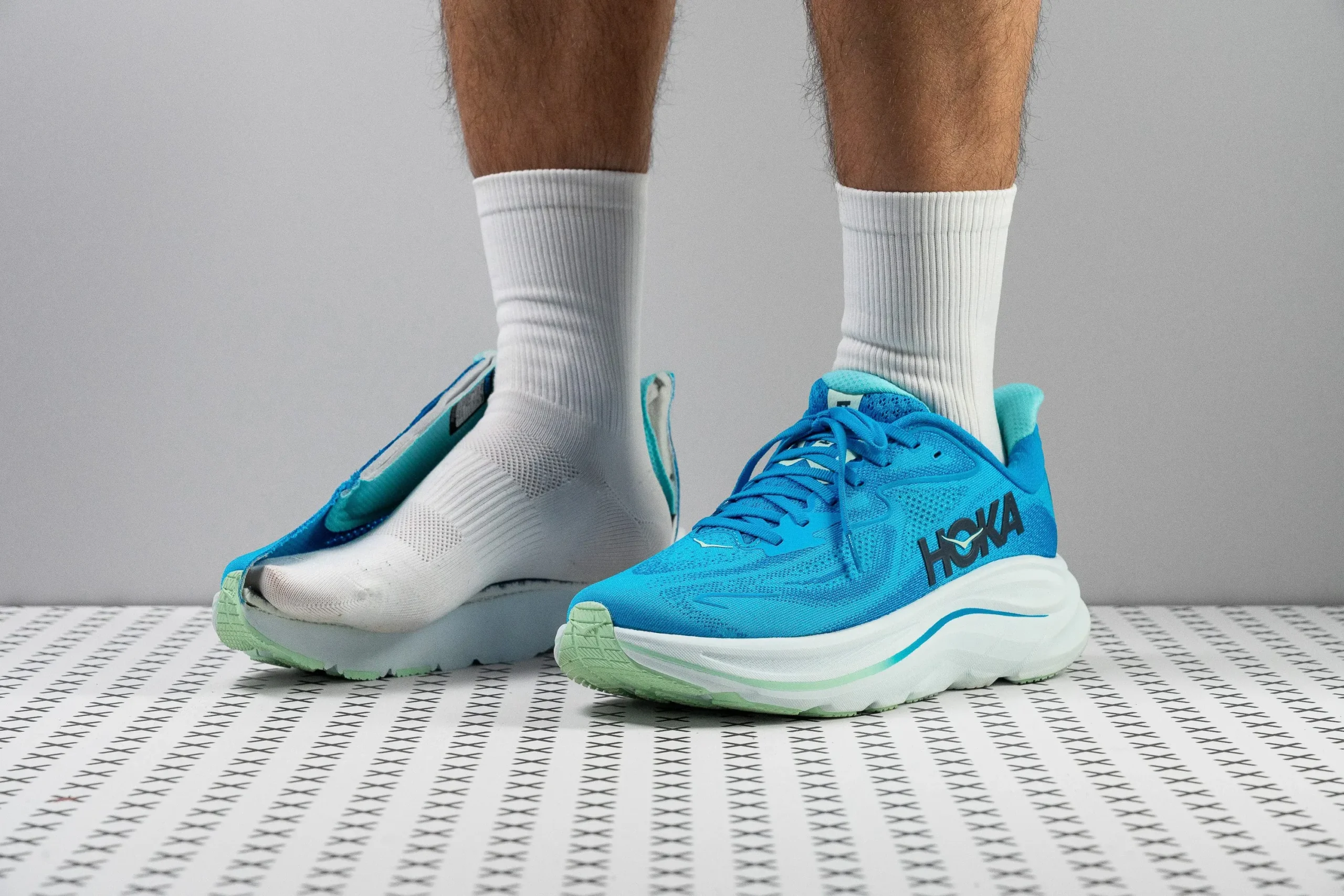
If joint comfort is your priority, the HOKA Clifton is hard to beat. Its oversized midsole provides exceptional impact protection, making it ideal for heavier runners or anyone prone to knee and hip discomfort. Despite the thick stack height, it’s surprisingly lightweight. This is one of the most forgiving starter running shoes available and a great confidence builder for new runners covering easy, conversational-pace mileage.
Nike Pegasus — Best for Versatility
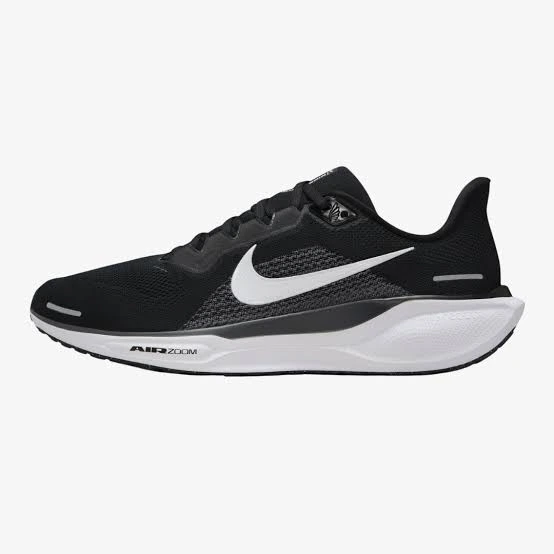
The Nike Pegasus has been a trusted daily trainer for decades and remains one of the most popular running shoes for first-time runners. It delivers reliable React foam cushioning, a secure fit, and enough responsiveness to handle both easy jogs and slightly quicker efforts. The Pegasus suits runners who want one shoe that can handle varied training without specialising too heavily in any one direction.
ASICS Gel-Nimbus — Best for Long Runs
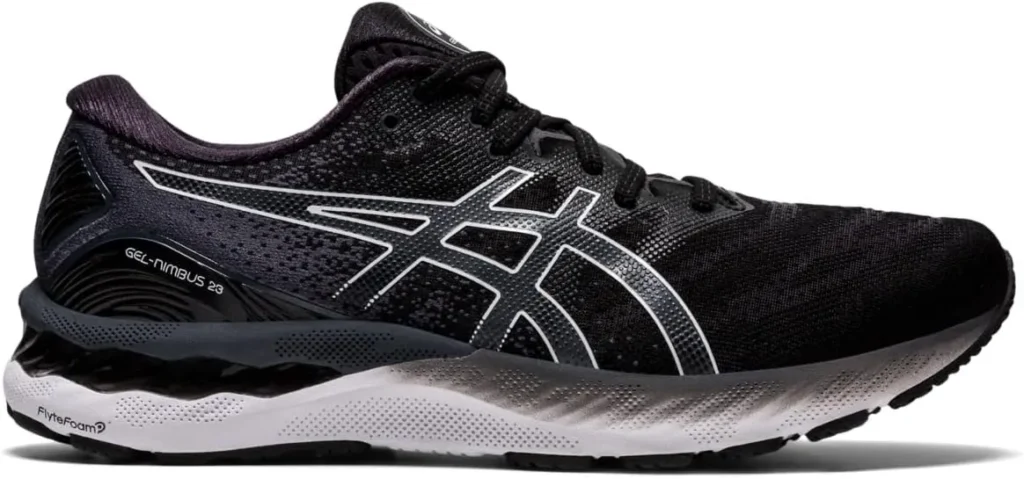
For beginners building up their distance, the ASICS Gel-Nimbus offers plush, long-run cushioning with ASICS’ proven Gel technology. It’s particularly effective for runners who spend more time on roads and pavements. The FF Blast+ ECO foam midsole keeps the shoe lightweight despite its generous cushioning, and the engineered mesh upper provides excellent breathability on longer outings.
Saucony Ride — Best Budget-Friendly Option
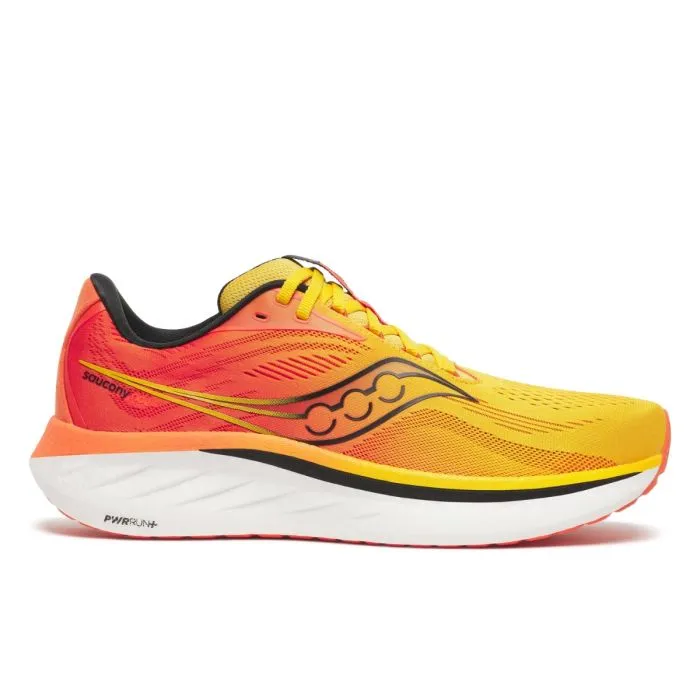
The Saucony Ride offers impressive performance at a slightly lower price point than some of its competitors. It features PWRRUN cushioning, a smooth ride, and a comfortable upper that adapts well to different foot shapes. For runners who want easy running shoes without stretching the budget too far, the Saucony Ride is a consistently strong performer that punches well above its price.
Common Mistakes Beginner Runners Make When Buying Shoes
- Choosing style over function — aesthetics matter, but cushioning and fit should always come first.
- Buying too small — always size up half a size to account for foot swelling during runs.
- Skipping a gait analysis — knowing your pronation type prevents you from buying the wrong category of shoe.
- Going minimalist too soon — low-drop and barefoot-style shoes require months of adaptation, even for experienced runners.
- Ignoring mileage limits — most running shoes last between 400–600 miles. Track your mileage and replace them on time.