Best Trail Running Shoes in 2026: Grip, Protection, and Performance Off-Road
Tackle any terrain with confidence. We review the best trail running shoes of 2025 — tested for grip, protection, and durability on muddy, rocky, and technical trails.
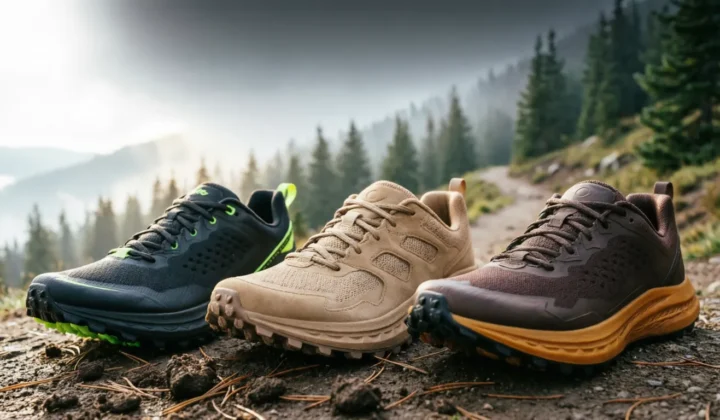
Road running and trail running demand very different things from your footwear. The moment you step off tarmac onto muddy paths, rocky singletracks, or technical mountain terrain, your regular road trainers become a liability. The best trail running shoes are built to handle unpredictable surfaces — combining aggressive lug patterns for grip, rock plates for underfoot protection, and durable uppers that can take a serious beating session after session.
The problem most runners face is that trail shoes vary enormously. Some are built for fast, groomed cross-country courses. Others are designed for long ultra-distance efforts through mountains. A few excel specifically in wet, muddy conditions where traction is everything. Choosing the wrong shoe for your terrain can mean slipping, foot fatigue, or worse, an injury miles from anywhere.
In this guide, we review the top options across different trail types and running styles, so you can find the right off-road running shoe with complete confidence.
The best trail running shoes in 2026 include the HOKA Speedgoat 6, Salomon Speedcross 6, Brooks Cascadia, Saucony Peregrine, and ASICS Gel-Trabuco. Look for deep lugs for muddy terrain, a rock plate for rocky trails, and a waterproof membrane for wet conditions. Match the shoe to your specific trail type and distance for best results.
Read our Best Running Shoes for Beginners in 2026
What Makes a Great Trail Running Shoe
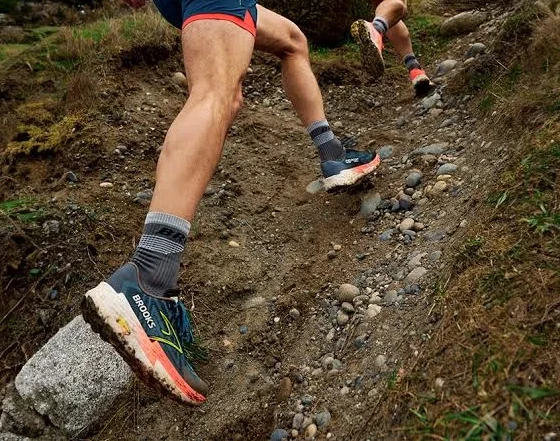
Before comparing specific models, it helps to understand the key features that separate trail shoes from their road-running counterparts. Trail running places unique demands on footwear, and the best options balance protection, traction, and comfort across varied and unpredictable terrain.
Lug Pattern and Grip
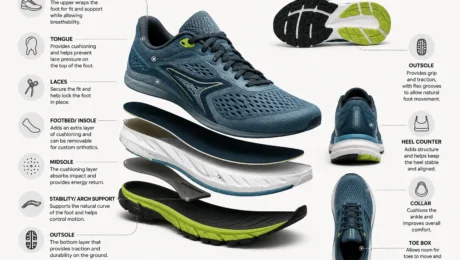
The outsole lug pattern is the defining feature of any trail shoe. Lugs are the raised rubber knobs on the outsole that dig into soft ground to provide traction. Deeper, more widely spaced lugs (5mm+) perform best on mud and loose soil, where they can bite and self-clean between strides. Shallower, more densely packed lugs suit hardpack trails, gravel paths, and dry rocky terrain where aggressive lugs would feel unstable and wear quickly.
When people talk about trail shoes with lugs, they’re usually seeking serious grip for wet, muddy, or technical conditions — and this is where shoe selection matters most. A shoe built for hardpack will feel dangerously slippery on soft, waterlogged ground.
Rock Plate
A rock plate is a stiff internal layer — typically nylon or TPU — embedded within the midsole to shield the underfoot from sharp rocks, roots, and debris. On rocky, technical terrain it’s an essential feature. Without it, runners experience bruising, fatigue, and discomfort from repeated stone strikes on the forefoot and arch. Not all trail shoes include a rock plate, so if your routes involve rocky singletracks or mountainous terrain, prioritise this feature explicitly.
Waterproofing
Waterproof trail runners use a Gore-Tex or proprietary waterproof membrane inside the upper to keep water out. They’re invaluable for bog crossings, stream hopping, and running in sustained wet weather. The trade-off is breathability — waterproof membranes trap heat and moisture inside the shoe during warmer or drier conditions, which can lead to hot spots and blisters on longer efforts. For genuinely wet, cold environments, waterproof trail shoes are worth the compromise. In drier climates or summer trail running, a standard breathable mesh upper is usually the better choice.
Best Trail Running Shoes in 2026: Our Top Picks
HOKA Speedgoat 6 — Best Overall Trail Shoe
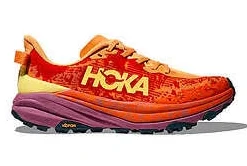
The HOKA Speedgoat remains one of the most versatile and well-rounded trail shoes available, and the sixth iteration refines an already excellent formula. It features Vibram Megagrip outsole rubber with 5mm multi-directional lugs that perform reliably across both soft and mixed terrain. The generous HOKA midsole stack provides impressive cushioning for long mountain efforts, while the updated upper offers better fit security than previous versions. It’s equally at home on a 10-mile fell run as it is on an ultra-distance mountain race.
Best for: Long distances, mixed terrain, runners who prioritise cushioning on technical trails.
Salomon Speedcross 6 — Best for Mud and Soft Ground
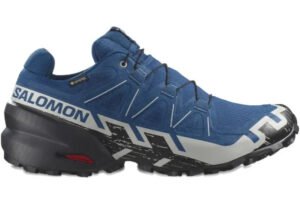
Few trail shoes have earned a reputation as ferocious as the Salomon Speedcross. Its chevron-patterned 6mm lugs are purpose-built for soft, muddy, and wet conditions, delivering exceptional bite and self-cleaning capability that keeps traction consistent even in the deepest ground. The Speedcross 6 features a snug, precise fit and Salomon’s Sensifit system to lock the midfoot securely. If your trails are predominantly muddy, this is the gold standard among off-road running shoes.
Best for: Mud, soft ground, cross-country, and winter trail running.
Consider instead: On hardpack or dry trails, the Speedcross lugs feel aggressive and uncomfortable underfoot — opt for the Salomon Sense Ride or X-Trail in those conditions.
Brooks Cascadia 17 — Best for Versatility and Durability
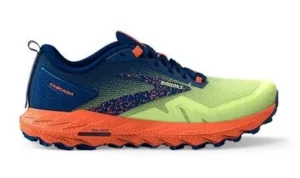
The Brooks Cascadia is a trusted workhorse of the trail running world — a shoe that has been refined across seventeen iterations into one of the most dependable all-terrain options available. It features TrailTack rubber outsole compound for reliable grip across mixed surfaces, a full-length rock plate for technical terrain protection, and DNA Loft v2 midsole cushioning that balances comfort with responsiveness. It’s a moderate-drop shoe at 8mm, making it accessible for a wide range of running styles.
Best for: Mixed terrain, daily trail training, and runners who need a durable, reliable all-rounder.
Saucony Peregrine 15 — Best Lightweight Trail Shoe
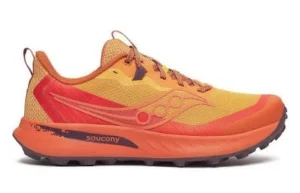
The Saucony Peregrine punches well above its weight for runners who want a lighter, more agile trail shoe without sacrificing protection. It uses PWRTRAC outsole rubber with 4mm triangle lugs that perform well across varied terrain, and PWRRUN midsole foam for a responsive, propulsive ride. A nylon rock plate provides solid underfoot shielding on technical ground. The Peregrine suits trail runners who prefer a more connected, ground-feel experience over maximum cushioning.
Best for: Faster trail efforts, short-to-medium distances, runners who prefer agility over plush cushioning.
ASICS Gel-Trabuco 13 — Best for Rocky and Technical Terrain
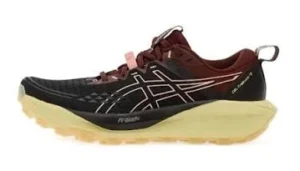
The ASICS Gel-Trabuco is built specifically for runners tackling demanding, rocky, and technical trails where underfoot protection is the priority. It features a full-length ASICS Trail Specific guidance line, AHAR+ outsole rubber engineered for trail durability, and Gel cushioning technology in the heel for impact absorption on uneven ground. The reinforced upper offers additional protection against trail debris and rocks, making it a smart choice for mountain and technical trail environments.
Best for: Rocky trails, technical mountain terrain, runners who prioritise protection over speed.
How to Choose the Right Trail Shoe for Your Terrain
- Muddy and soft ground: Choose deep lugs (5mm+) and a self-cleaning outsole pattern. The Salomon Speedcross leads this category.
- Rocky and technical trails: Prioritise a full-length rock plate and protective upper. The ASICS Gel-Trabuco and Brooks Cascadia both excel here.
- Mixed or hardpack terrain: A versatile lug pattern and grippy rubber compound work best. The HOKA Speedgoat and Saucony Peregrine are strong all-rounders.
- Wet weather and stream crossings: Look for Gore-Tex or waterproof variants of your chosen model. Most major trail shoes offer a waterproof trail runner version in their lineup.
- Ultra distances: Prioritise cushioning and comfort over aggressive grip. High stack shoes like the HOKA Speedgoat reduce fatigue on long efforts.
Frequently Asked Questions
What are the best trail running shoes for muddy terrain?
The Salomon Speedcross 6 is the top choice for muddy and soft ground conditions. Its 6mm chevron-patterned lugs bite deep into soft surfaces and self-clean effectively between strides. Other strong options for wet, muddy off-road running shoes include the Inov-8 Mudclaw range and the Brooks Caldera for longer, muddier efforts.
Do I need waterproof trail running shoes?
Waterproof trail runners are worth it if you regularly run in cold, wet, or boggy conditions where keeping feet dry matters. However, waterproof membranes reduce breathability, which can cause overheating and blisters in warmer or drier conditions. For most runners, a standard breathable mesh trail shoe combined with quick-drying trail socks is a better year-round solution.
What is a rock plate in trail running shoes and do I need one?
A rock plate is a rigid internal layer in the midsole that protects the underfoot from sharp stones and roots on technical terrain. If your trails involve rocky singletracks, gravel, or mountain paths, a rock plate is highly recommended. Runners on smoother, softer trails may find it unnecessary, as it can reduce natural ground feel and flexibility.
How long do trail running shoes last compared to road shoes?
Trail running shoes typically last between 300 and 500 miles, slightly less than road shoes, because rough terrain, rocks, and moisture accelerate outsole and midsole wear. Monitor your lugs — once they’ve worn flat and no longer grip effectively, the shoe has reached the end of its useful life regardless of overall mileage.
Can I use trail running shoes on roads?
Yes, but with caveats. Aggressive lugged trail shoes feel uncomfortable and wear down quickly on hard road surfaces. If you run mixed routes that combine road and trail sections, a versatile trail shoe with a moderate lug pattern — like the Brooks Cascadia or Saucony Peregrine — handles both surfaces reasonably well without the drawbacks of a highly aggressive off-road-specific model.