How to Break In New Running Shoes (Without Getting Blisters)
New shoes giving you blisters? Follow our proven break-in plan to ease into your new running shoes gradually — without pain, discomfort, or time off the road.
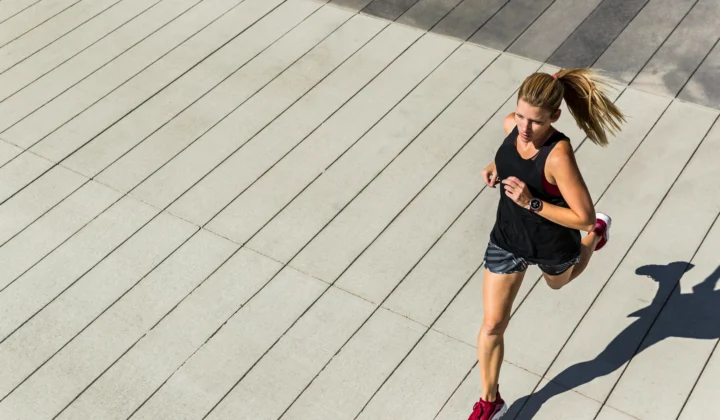
There are few things more frustrating in running than lacing up a brand-new pair of shoes, heading out the door full of optimism, and returning home with hot spots, blisters, or aching feet. It happens to beginners and experienced runners alike, and it almost always comes down to the same cause: skipping the break-in period. Learning how to break in running shoes properly is one of the most underrated skills in any runner’s toolkit — yet it’s rarely discussed alongside training plans, nutrition, or injury prevention.
Modern running shoes, whether you’ve just picked up a pair of HOKA Cliftons, a fresh set of Brooks Ghost, or the latest Nike Pegasus, are engineered with performance foams and structured overlays that need time to adapt to the unique shape and movement pattern of your foot. The midsole needs to compress and rebound in sync with your stride. The upper needs to mould around your foot’s pressure points. Rush this process, and you risk new running shoe blisters, hot spots, and unnecessary soreness that can sideline your training entirely.
Our Read Best Running Shoes for Plantar Fasciitis in 2026
How Do You Break In Running Shoes?
To break in running shoes, start by wearing them for short walks and casual wear before running. Introduce them gradually over two to four weeks — beginning with 20–30% of your normal run distance and increasing weekly. Rotate them with your existing shoes, wear the right socks, and never debut new shoes on a race, long run, or high-intensity session.
Why Running Shoes Need a Break-In Period
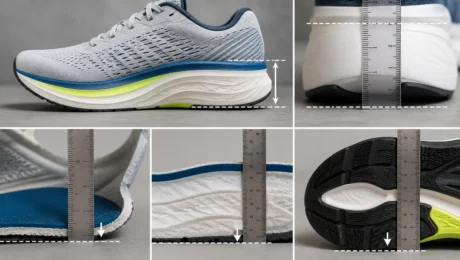
Unlike a casual shoe or fashion trainer, a running shoe is a precision tool. Its midsole foam — whether that’s Nike’s ZoomX, HOKA’s proprietary EVA compound, or Brooks’ DNA Loft — is engineered to respond to specific loads and temperatures. When new, these foams are at their firmest and most resistant. They haven’t yet compressed and rebounded under the forces your stride generates, which means the shoe rides differently on your first few outings than it will after 30 or 40 miles.
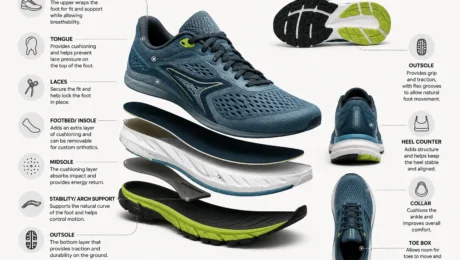
The upper is equally important. Structured overlays, heel counters, and toe boxes in new running shoes can create localised pressure points that ease as the materials flex and soften with use. This is why the most common sites for new running shoe blisters are the heel, the little toe, and the top of the foot — precisely the areas where rigid upper materials make first contact with the skin.
Understanding this process removes the temptation to power through discomfort early on. The goal isn’t to toughen your feet against the shoe — it’s to allow the shoe to adapt to your feet.
Step-by-Step: How to Break In Running Shoes Gradually
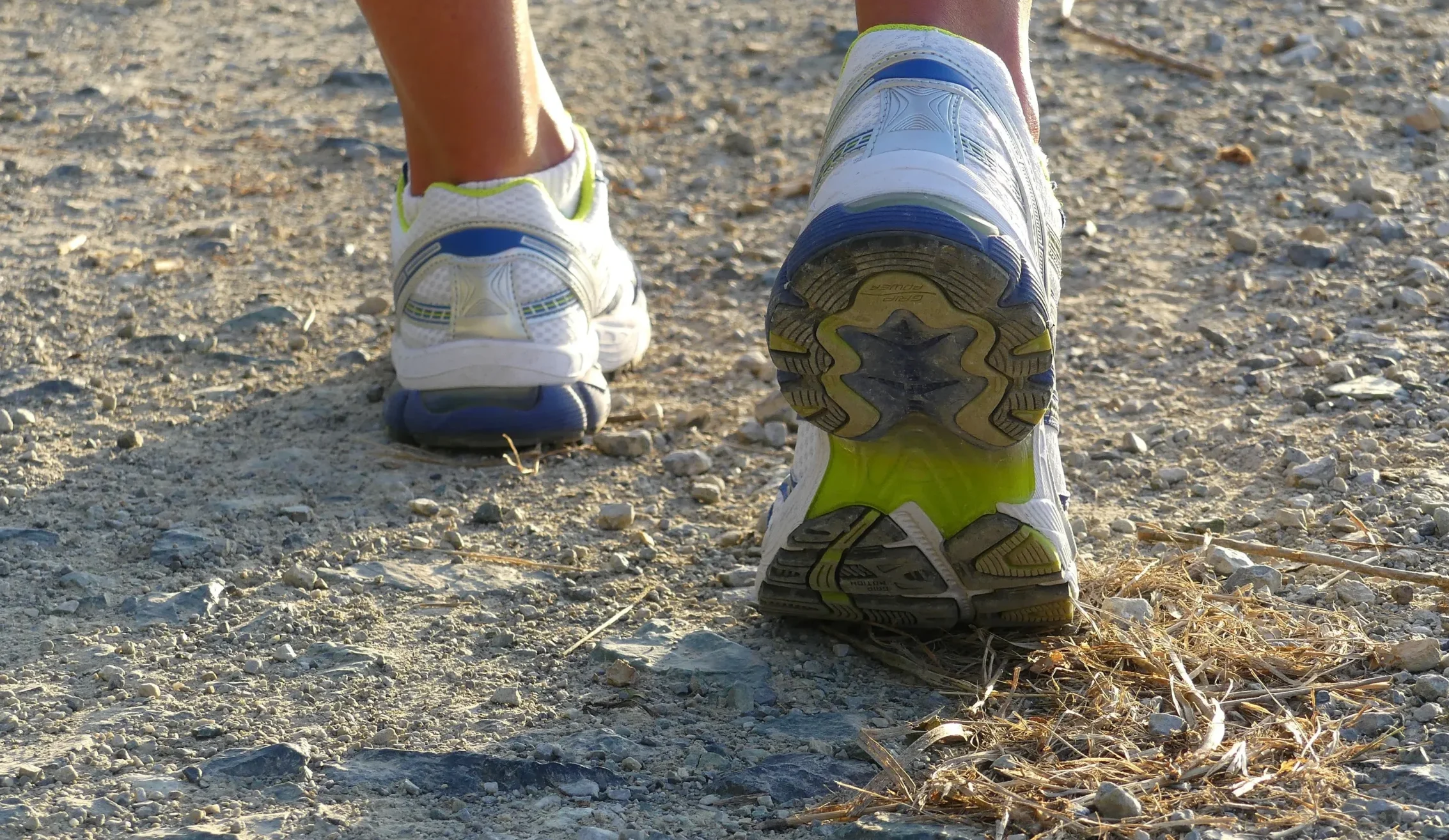
Week 1: Wear Before You Run
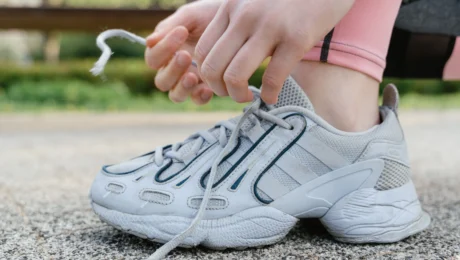
Begin by wearing your new running shoes around the house and on short walks before any running takes place. This seems deceptively simple, but it serves a genuine purpose: your body heat and natural gait begin to warm and flex the upper materials, while the midsole receives its first light loading without the repetitive impact of running. Aim for 30–60 minutes of casual wear per day for the first three to five days.
Pay attention to any pressure points or areas of tightness during this stage. A slight snugness through the midfoot is normal and often resolves as the shoe beds in. Persistent pain at the heel or sharp pressure across the toe box, however, may indicate a fit issue worth addressing before you’ve invested more time in the break-in process.
Read our Best Trail Running Shoes in 2026
Week 2: Introduce Short Runs
Begin running in your new shoes, but limit your first sessions to no more than 20–30% of your normal run distance. If your average easy run is 5 miles, start with 1 to 1.5 miles in the new shoes. Run at a comfortable, easy pace — this is not the time for tempo efforts or interval sessions.
Crucially, continue wearing your current pair of running shoes for the remainder of your weekly mileage. Rotating new shoes with worn-in ones during the break-in period is one of the most effective strategies for avoiding both blisters and the muscle soreness that can accompany a change in midsole geometry or heel-to-toe drop.
Week 3: Build Mileage in the New Shoes
Increase the proportion of your weekly mileage completed in the new shoes to around 50%. You can begin running slightly longer distances — up to half your typical long run — but continue avoiding your hardest sessions. Most runners find that by week three, the upper has softened meaningfully around key pressure points and the midsole is beginning to feel more responsive and personalised.
If you experienced any blistering in week two, use blister-prevention tape or apply a thin layer of anti-chafe balm to the affected areas before each run. Addressing hot spots early prevents them from becoming recurring issues.
Week 4: Full Integration
By week four, your new running shoes should be ready for full training integration. You can now use them for your complete range of sessions — easy miles, long runs, and moderate tempo work. Hold off on race day or your highest-intensity interval sessions until you have at least 40–50 miles logged in the shoe and are completely confident in the fit.
For carbon-plated performance shoes like the Nike Vaporfly or Adidas Adizero, the same gradual approach applies, though many elite runners keep their carbon shoes fresh by limiting them to race day and key workout sessions only. In that case, the break-in process may extend over a longer calendar period while total mileage stays low by design.
Socks Make a Bigger Difference Than You Think
One of the most overlooked factors in how to break in running shoes successfully is sock choice. Cotton socks trap moisture, lose their structure when wet, and create the friction conditions that cause blisters. Technical running socks — made from merino wool, nylon, or synthetic blends — wick sweat, maintain their shape, and reduce friction at the heel and toe box where new running shoes are most likely to cause problems.
Always wear the same type of socks during your break-in period as you intend to run in long-term. Switching from thin technical socks to thick ones (or vice versa) changes the effective fit of your shoe and can introduce new pressure points mid-process.
Common Mistakes to Avoid When Breaking In Running Shoes
- Racing in new shoes: Never debut a new pair on race day. The risk of blisters, unfamiliar cushioning, and unexpected pressure points is too high when performance matters.
- Going too far too soon: Jumping straight into long runs in new shoes is the fastest route to new running shoe blisters and overuse soreness from a different midsole profile.
- Ignoring early warning signs: A persistent pressure point or recurring hot spot after week one may indicate a sizing or fit issue. It’s worth reassessing before continuing the break-in.
- Not rotating shoes: Running exclusively in new shoes from day one places full mileage load on an unadapted shoe — and unadapted feet. Rotation is protective, not optional.
- Wearing the wrong socks: Cotton socks during break-in dramatically increase blister risk. Always use technical running socks from the start.
- Skipping the walk phase: Rushing straight to running without any casual wear removes the gentlest stage of the break-in process that helps warm and flex upper materials.
Frequently Asked Questions
How long does it take to break in new running shoes?
Most running shoes take two to four weeks to break in fully, covering roughly 30–50 miles in that period. The exact timeline depends on the shoe’s construction, midsole stiffness, and the individual runner’s foot shape. Carbon-plated race shoes may require fewer miles to feel comfortable but should still be introduced gradually before race day.
Why do new running shoes cause blisters?
New running shoes cause blisters because the upper materials are stiff and haven’t yet moulded to your foot’s unique shape. Rigid heel counters, tight toe box overlays, and seam lines all create friction hot spots on skin that isn’t accustomed to that specific contact. Wearing the right socks and introducing mileage gradually reduces this risk significantly.
Should I wear new running shoes to break them in before a race?
No. You should never wear new running shoes for the first time on race day. Even with a careful break-in programme, there’s always some residual risk of hot spots or unfamiliar cushioning response. As a general rule, have at least 40–50 miles logged in any shoe before racing in it, regardless of brand or model.
Can I speed up the running shoe break-in period?
You can accelerate the process slightly by increasing casual wear time before your first runs, using the shoes for short errand walks daily, and applying gentle heat from warm hands to stiff upper areas. However, there is no safe shortcut that replaces gradual mileage accumulation. Forcing a faster break-in dramatically increases blister and injury risk.
Do all running shoes need breaking in, or just some?
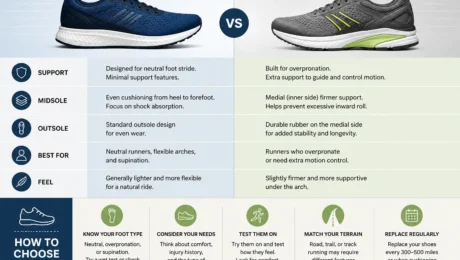
All running shoes benefit from a gradual break-in period, though the length varies. Softer, more flexible shoes like the HOKA Clifton or Saucony Ride generally adapt faster than structured stability shoes or stiff carbon-plated racers. Regardless of how plush a shoe feels in the store, your foot still needs time to adjust to its specific geometry and cushioning response.
Conclusion
Knowing how to break in running shoes properly is one of the simplest ways to protect yourself from unnecessary blisters, soreness, and time off training. The process requires patience rather than effort — a few weeks of gradual introduction that pays off in miles of comfortable, confident running. Start with walks, build with short runs, rotate consistently, and never rush a new pair onto a race start line. Whether you’ve just invested in your first Brooks Ghost or upgraded to a carbon-plated racer, the break-in process is the same. Give your shoes the time they need, and they’ll give you the performance you’re expecting.