How Sneaker Collaborations Work: Everything You Need to Know
Behind the scenes of how brands like Nike, Adidas, and New Balance partner with designers, artists, and celebrities to create hyped sneakers.
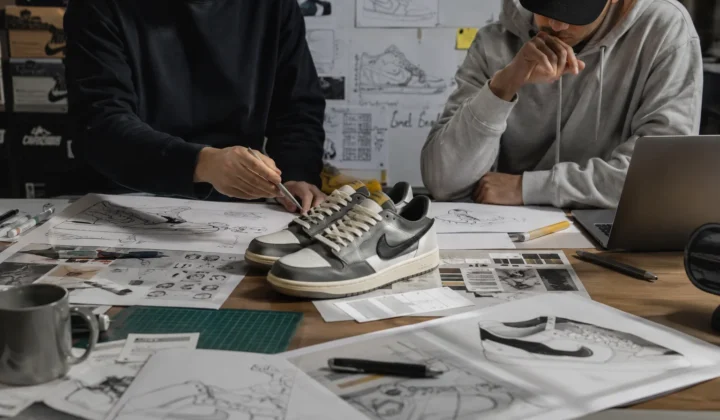
Sneaker collaborations have transformed the footwear industry from simple product launches into global cultural events. Limited-edition releases featuring musicians, athletes, fashion designers, artists, and luxury brands often sell out within minutes and become valuable collector’s items. Whether it’s a Nike partnership with a famous basketball player or an Adidas project with a fashion house, these collaborations generate excitement that extends far beyond sneakers.
If you’ve ever wondered how sneaker collaborations work, the process is much more complex than putting a celebrity’s name on a shoe. Every collaboration involves months—or even years—of planning, design, manufacturing, marketing, and storytelling before the sneakers reach store shelves.
Understanding the collaboration process also helps buyers recognize why some releases are limited, why resale prices climb so quickly, and what makes certain partnerships more successful than others. From the first concept meeting to launch day, here’s an inside look at how today’s biggest sneaker collaborations come to life.
Quick Answer
How sneaker collaborations work is simple in theory: a footwear brand partners with a designer, artist, athlete, celebrity, or another company to create a unique sneaker. Both sides contribute ideas, design direction, branding, and marketing. Limited production, exclusive storytelling, and strong demand help turn these sneakers into highly anticipated releases.
What Is a Sneaker Collaboration?
A sneaker collaboration is a partnership between a footwear brand and another creative individual or organization. Instead of producing another standard colorway, both parties work together to develop something unique.
Collaborators may include:
- Fashion designers
- Musicians
- Professional athletes
- Artists
- Streetwear brands
- Luxury fashion houses
- Retail stores
- Entertainment franchises
Popular examples include Nike x Travis Scott, Adidas x Bad Bunny, New Balance x Joe Freshgoods, and Puma x LaMelo Ball. Every collaboration reflects both the sneaker brand’s identity and the collaborator’s creative vision.
How Brands Choose Collaboration Partners
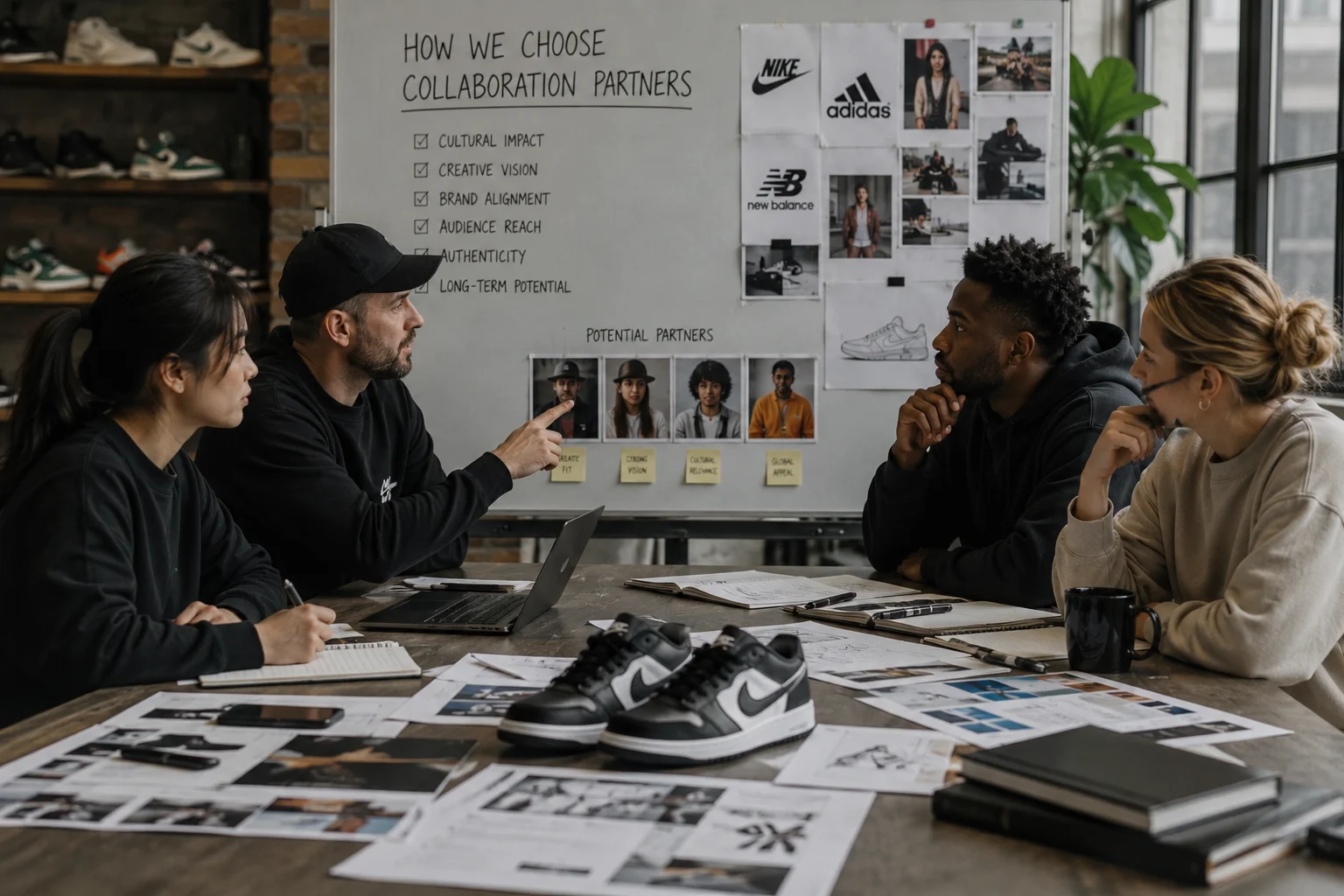
The first step in the sneaker collab explained process is selecting the right partner. Brands look for people or companies that can connect with their target audience while bringing fresh ideas.
Several factors influence the decision:
- Popularity and cultural influence
- Creative reputation
- Social media reach
- Previous collaboration success
- Shared brand values
- Ability to tell a compelling story
For example, New Balance often collaborates with influential designers and boutique retailers, while Nike frequently partners with athletes, musicians, and fashion labels that have global recognition.
The Design Process
Once both sides agree to work together, the creative phase begins. This is where the Nike collab process and similar projects across other brands become especially detailed.
The design team typically starts by choosing an existing sneaker silhouette. Rather than creating a completely new model, collaborators often reinterpret classics like the Nike Air Force 1, Adidas Samba, or New Balance 990.
The collaborator then works with the brand’s designers to customize:
- Materials
- Colors
- Textures
- Logos
- Packaging
- Special graphics
- Personal branding elements
Multiple prototypes are produced before the final version is approved. Designers carefully balance originality while preserving the identity of the original sneaker.
Why Storytelling Matters
One reason collaborations generate so much attention is the story behind them. Great sneaker releases usually represent more than just attractive colors.
The inspiration might come from:
- A childhood memory
- A hometown
- Music
- Sports achievements
- Family traditions
- Art
- Historical events
Consumers often connect emotionally with these stories, making the sneakers feel more meaningful than ordinary releases.
Brands highlight these narratives through promotional videos, interviews, product photography, and limited-edition packaging.
Limited Production Creates Demand
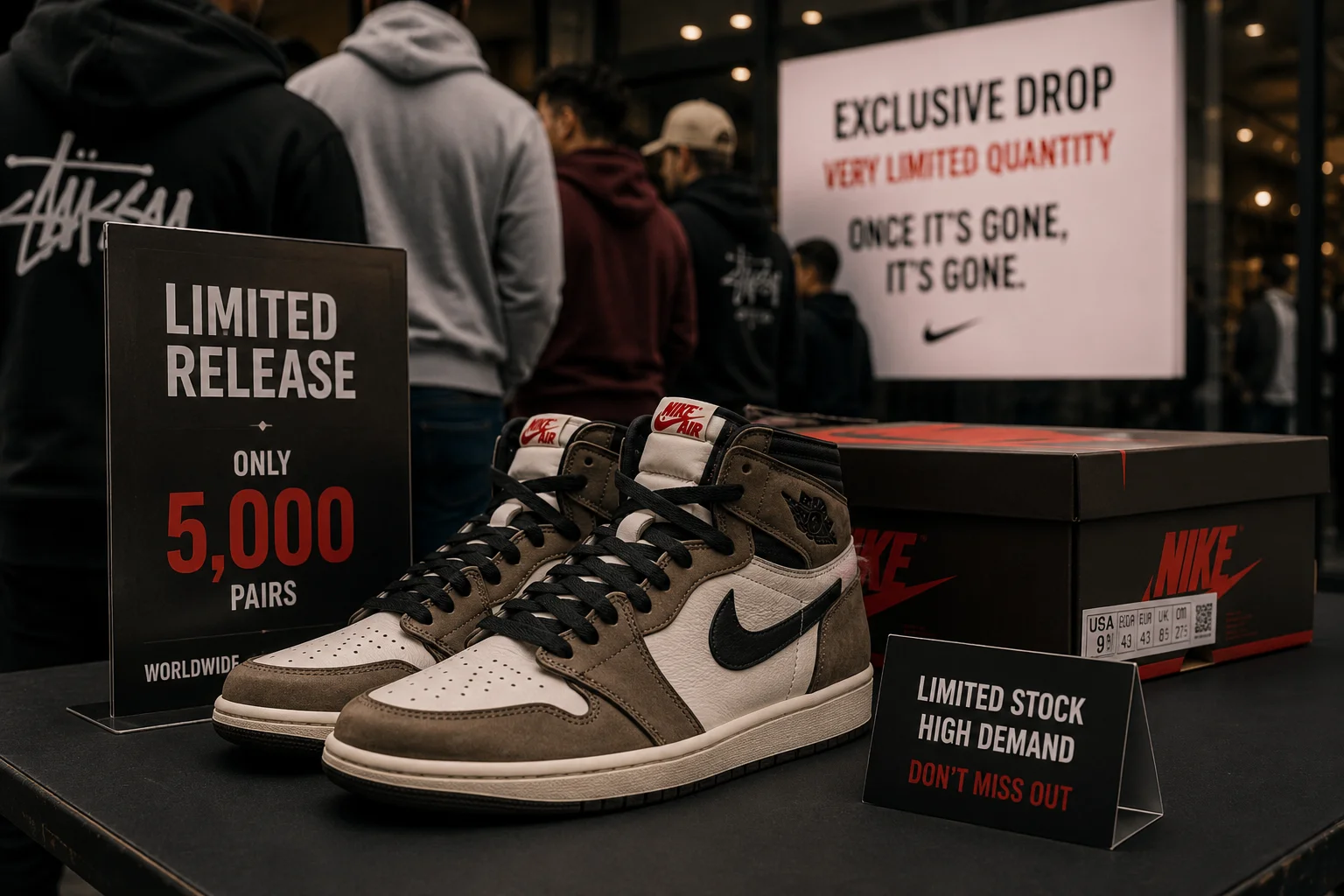
One of the biggest reasons collaborative sneakers become highly sought after is scarcity.
Instead of manufacturing millions of pairs, brands intentionally produce limited quantities. This creates excitement before release day and increases demand among collectors.
Benefits of limited production include:
- Greater exclusivity
- Higher media attention
- Stronger resale value
- More excitement around future collaborations
The downside is that many buyers miss out during retail launches and must purchase through resale platforms, often at significantly higher prices.
How Marketing Builds the Hype
Marketing is a major part of every successful collaboration.
Months before launch, brands gradually reveal information through teaser photos, influencer previews, social media campaigns, and fashion events.
Common marketing strategies include:
- Early leaks
- Behind-the-scenes videos
- Celebrity appearances
- Limited launch events
- Exclusive retailer partnerships
- Countdown campaigns
By the time release day arrives, many sneaker fans already know every detail about the upcoming launch.
Why Some Collaborations Become Legendary
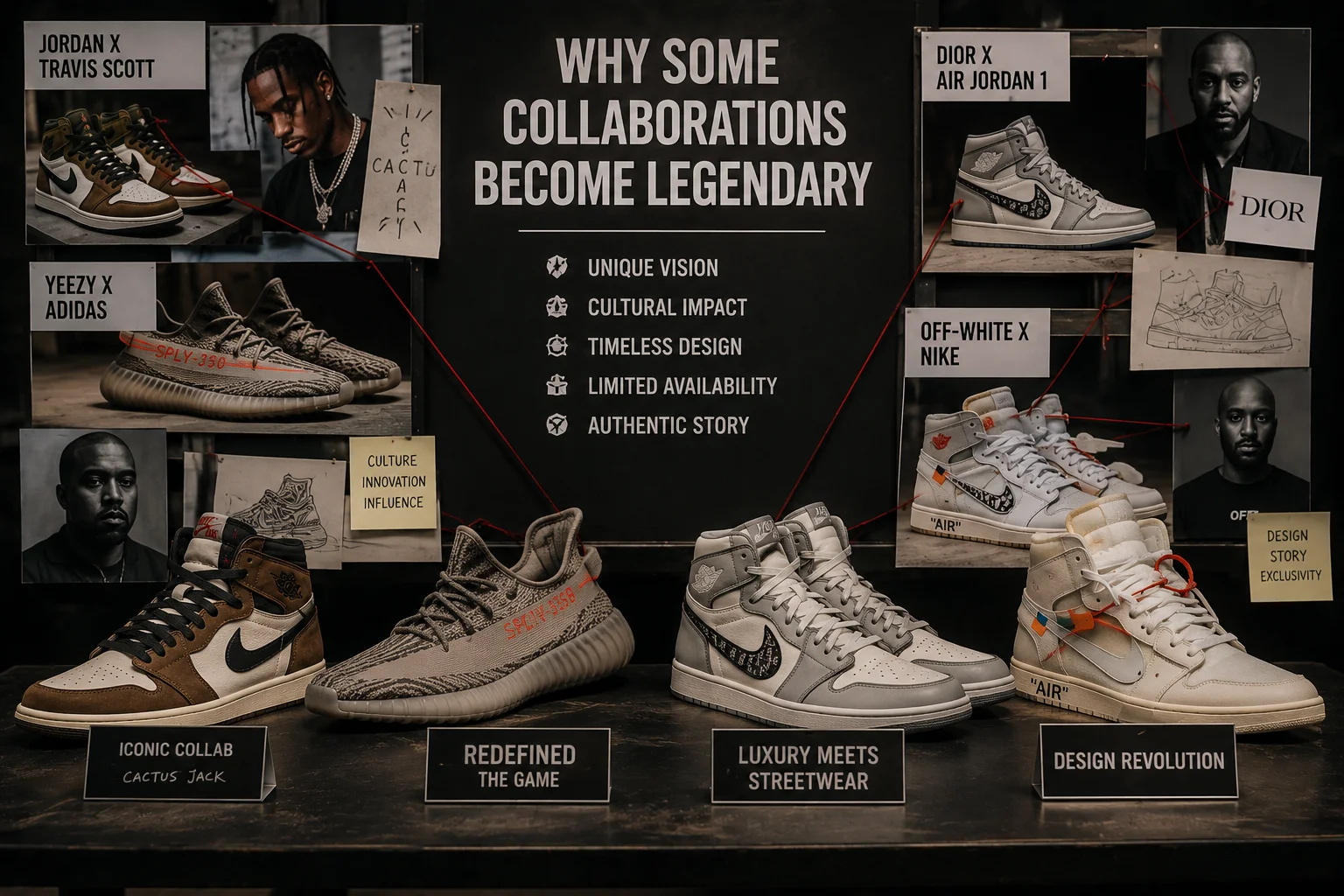
Not every partnership becomes successful. The best sneaker collabs ever usually combine excellent design, authentic storytelling, and perfect timing.
Some collaborations become iconic because they introduce something completely new, while others revive classic models for modern audiences.
Successful collaborations typically feature:
- Unique design language
- Premium materials
- Strong cultural relevance
- Limited availability
- Memorable branding
- Long-term collector appeal
These qualities help certain releases remain valuable years after their original launch.

Are Sneaker Collaborations Worth Buying?
For many buyers, collaborative sneakers offer more than resale value. They often feature premium craftsmanship, exclusive details, and designs unavailable on regular releases.
However, they also come with drawbacks.
Pros
- Unique designs
- Limited availability
- Strong collector value
- High-quality materials
- Interesting stories behind each release
Cons
- Difficult to purchase at retail
- Higher resale prices
- Limited sizing availability
- Heavy competition during launches
If your goal is everyday comfort, standard releases often provide similar performance at much lower prices. But if you enjoy collecting sneakers or appreciate creative design, collaborations can be rewarding additions to your collection.
FAQ
Why are sneaker collaborations usually limited?
Limited production creates exclusivity and excitement around each release. Smaller production numbers also help maintain collector interest and make collaborative sneakers feel more special than regular retail models.
How long does a sneaker collaboration take?
Many collaborations take between one and two years from the initial concept to retail launch. Design revisions, prototype testing, manufacturing, marketing, and logistics all require significant planning before release day.
Do collaborators design the entire sneaker themselves?
No. While collaborators contribute creative direction and ideas, footwear brands provide experienced design teams, engineers, developers, and manufacturing specialists to turn those concepts into finished products.
Why do collaborative sneakers resell for higher prices?
High demand combined with limited supply often pushes resale prices above retail. Popular collaborators, successful marketing campaigns, and cultural relevance also increase a sneaker’s value on the secondary market.
Can regular sneaker fans buy collaboration releases?
Yes, but competition is often intense. Most launches use online raffles, brand apps, or selected retailers. Buying at retail usually requires preparation, while resale marketplaces remain an option after the official release.
What Do You Think?
Which sneaker collaboration do you think had the biggest impact on sneaker culture, and what upcoming partnership are you most excited to see?